We may earn money or products from the companies mentioned in this post. This helps support what we do and in no way costs you a thing.
Road trips are so much fun, especially when you get to end up in a fabulous destination! While the vacation, in the end, is super fun, the road trip there is equally as fun and essential. Holidays are costly as it is, but making stops on the road trip can add up extremely fast and leave you with a smaller budget at your destination. There are a few ways to keep your American road trip budget in line and make sure that you’re only spending as much as you have to on the road!

How to Plan An American Road Trip
Road Trip Ideas
Your American Road Trip depends on a few things; if you have kids, if you like art, if you like museums, are you a camper, etc. Here is our list of general things to look for: the top amusement parks, fun factory tours, must-see historic landmarks, whimsical roadside attractions, quaint small towns, exciting museums, scenic locations, must-try restaurants or hyper-local food, the best places to take kids, best places to camp, and the top festivals or fairs to hit.
Whatever your end goal is for your American road trip, we have tips to help plan it and save money.
Fuel Consumption Calculator
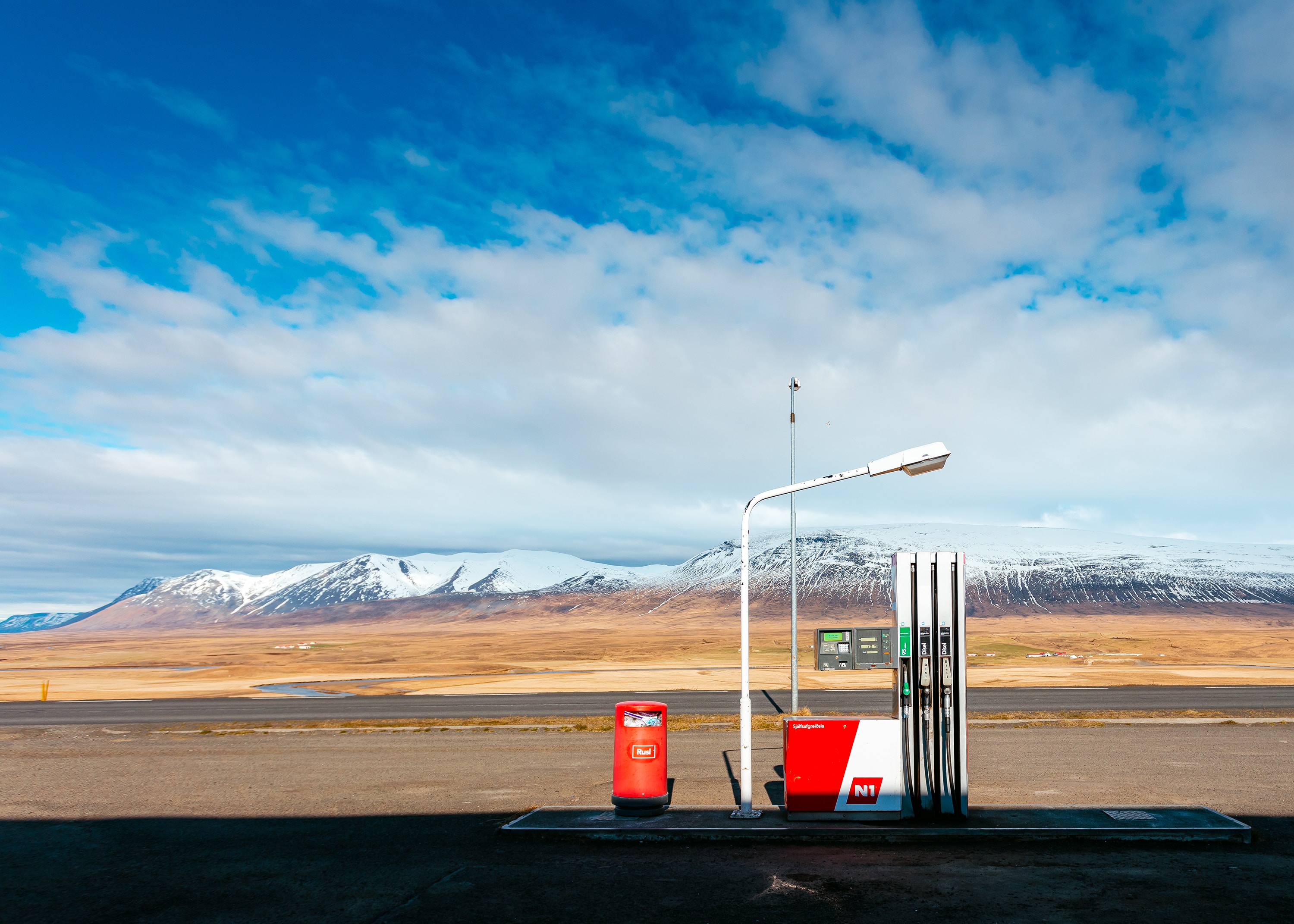
Hands down, gasoline prices can make or break your road trip. It is time to use a smartphone app to find gas stations and the best gas prices. You want to use an app like Gas Buddy or Waze so you can look up gas prices near where you are. These apps display a list of gas stations with their respective prices so you can find the cheapest gas in your area. This simple tip can add up to be enormous road trip savings because some gas stations are strategically priced based on their location, and had you driven a few miles farther, you could’ve saved a lot more! So be sure to check the prices before buying.
Where to stay
Plan hotel rooms and stops before you even leave the house. It’s easy to decide to drive until you’re tired and then stop. But this doesn’t leave you with much room to budget and plan. You’ll want to shop around for prices beforehand and plan your stops so that you have an idea of how much it’s going to cost!
Get free meals at hotels. If your road trip will lead you to need to stay in hotels halfway through, make sure to stay in hotels that offer free meal options such as a free breakfast. This simple tip is one way to avoid having to eat out when you leave in the morning.
Another great way to save on snacks with this? Most of these places have fruit like bananas, oranges, and apples. Have each family member take a piece with you to go, and you have a snack for on the road as well!
Road Trip Meals
Traveling by car can be fun and adventurous. If you are planning a vacation this summer and will be traveling by car, you will probably need to eat somewhere along the way. Here are some tips for saving money on food on the go during your American Road trip.
For many families, road trips are a great way not only to spend quality time together but to save money on their vacation. When traveling by car instead of by air, there are a lot of obstacles toward savings that many people overlook. Food budget is one of those, and this list of Frugal Meals On The Road is a great resource to help you be able to feed your family on a budget while traveling.
Frugal meals on the road
Bring food from home
Packing a cooler with drinks and items like fresh fruit, vegetables, and yogurt is a great way to save on the road. A fruit cup at a restaurant or fast-food chain can cost up to $4. You can spend $4 for 1-2 cantaloupes in your local market and have 6-10 servings depending on size. Shopping your pantry for snacks like crackers, string cheese, nuts, popcorn, and granola is a significant saving for breakfast and even sides to on the go sandwiches, etc.
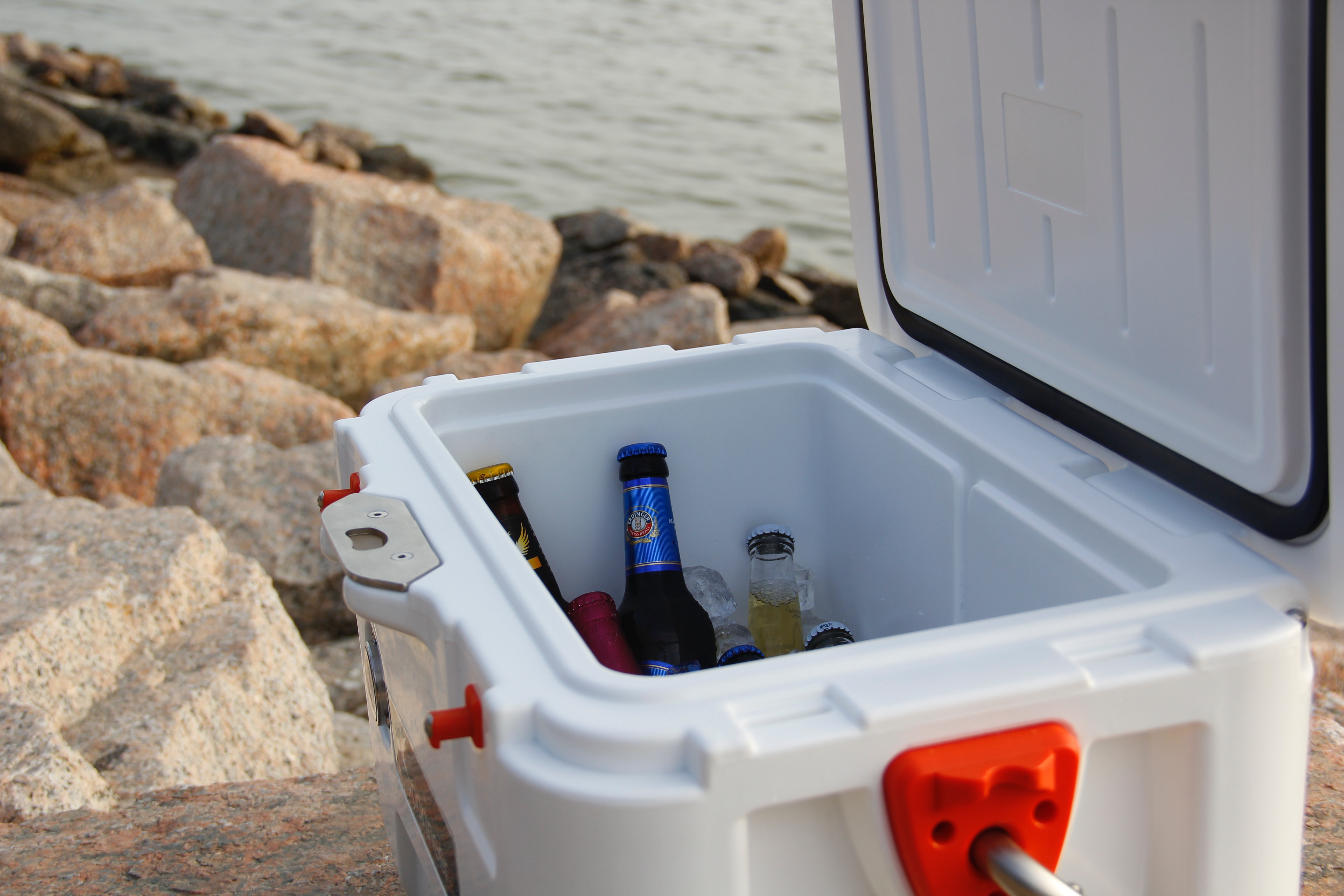
If the idea of a cooler full of melting ice is not your idea of convenience, try freezing your drinks before you go and have them ready to drink as they melt. It will keep them cold, and some can be enjoyed as slushies for an extra fun treat.
4 Easy and Healthy Meals to Bring On the Road
Perhaps you don’t want to eat another McDonald’s chicken sandwich, or you don’t want to stop at a restaurant and spend too much time there. These options include foods you can eat in the car, with some that do require finding a local rest stop to heat it.
Tuna With Crackers or Bread
Some people find the smell of tuna a problem. If this doesn’t bother you, tuna is a great meal to bring with you! It is particularly useful in your hotel room when you need a quick meal but don’t have access to a kitchenette or nearby restaurant offering a healthy option.
Get your tuna in the foil packages, so you don’t have to mess around with a can opener. If you don’t have a cooler with mayonnaise, you can still use a little travel-size bottle of olive oil, some seasonings in a baggie, and some sliced olives to put in the tuna salad, then spread it on some bread or crackers.
Salads in Jars
You might not have access to all the dishes and containers you need to prepare salads from scratch while on the road, but you can certainly open a jar and stick a fork inside! Make some salad jars before your trip, then keep them fresh in the cooler.
Mason jars are perfect since the vegetables stay fresh and don’t wilt quickly. Make sure the heavier, crunchier vegetables are at the bottom, and the lettuce is at the top since it tends to wilt easier. Keep dressing in a separate container.
Taco Salad
Yes, you can have a taco salad right in your car! Taco salad is good for the first day or second day if you have a cooler. Brown some meat and put it in a freezer bag after it has cooled.
Bring along bags with lettuce and vegetables, and put those in the cooler as well. When you are at the rest stop, take out your ingredients, put them in a paper bowl or on a plate, and you have yourself a delicious taco salad.
Breakfast Burritos
A breakfast burrito is something you can make if you have access to a cooler in the car, and a microwave in your hotel room or at rest stops. Even convenience stores often have microwaves you can use.
Make the burritos before you leave by scrambling the eggs and making burritos with your choice of healthy toppings, such as vegetables, cheese, and diced ham. Wait for the burrito to cool, then wrap it tightly in tin foil and keep it frozen until you leave. Put it in the cooler when you go for your trip, then take it out and open it to microwave when you’re ready.
Go to the grocery store instead of getting fast food
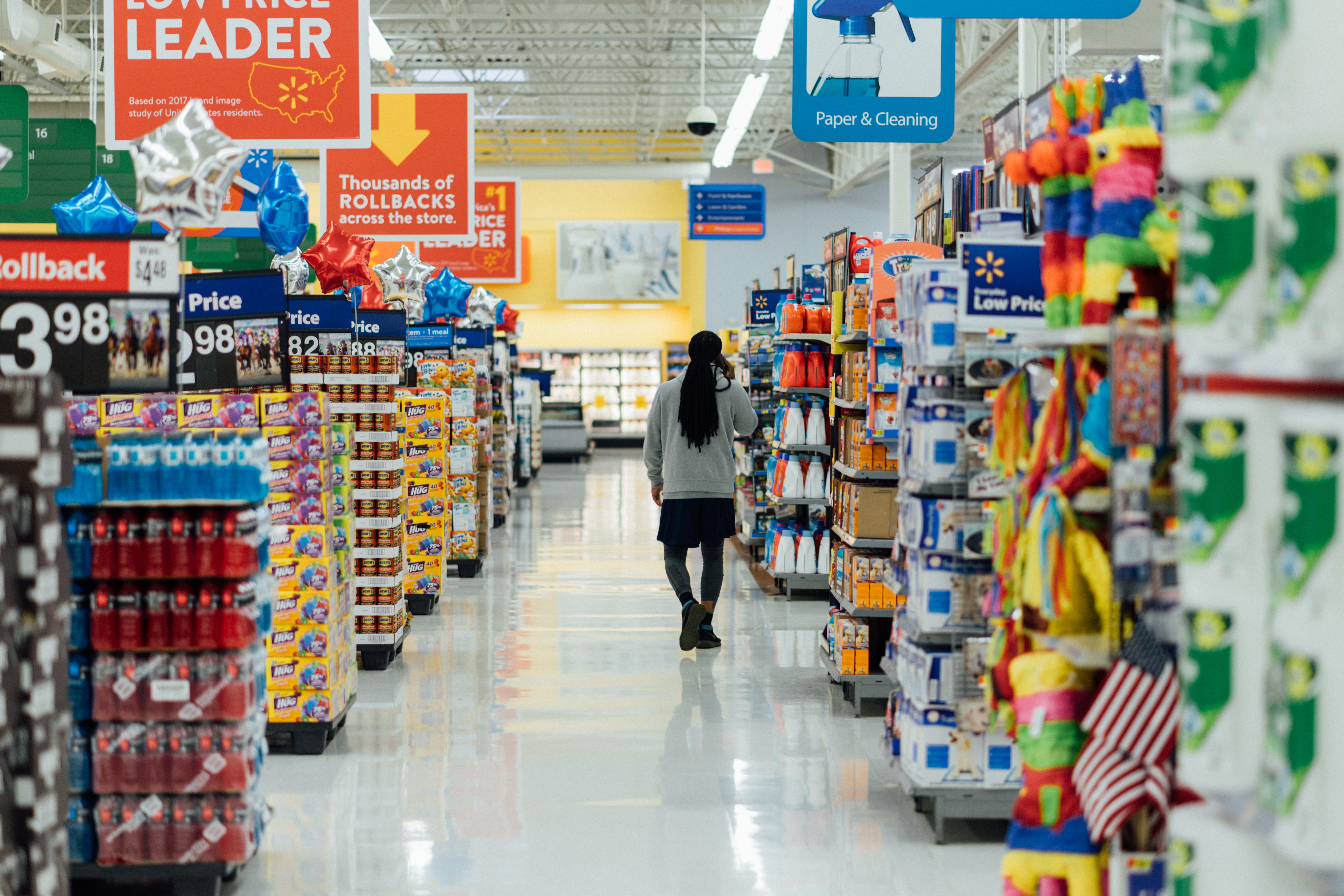
Check your route and GPS for grocery stores along the way. Grocery stores are especially handy if you are traveling in areas that have the same chains you have at home, giving you the chance to use rewards cards while on the road. Pick up fresh fruit, deli sandwiches, or rotisserie chickens at the grocery store for half the price of going into a restaurant and healthier than fast food.
Stop at grocery stores along the way to get stuff for meals rather than eat at expensive tourist trap restaurants. Most communities have grocery stores right off the road where you can buy cheaper deli hot food like fried chicken or stuff to make sandwiches. Why not plan to picnic in your car or at a local park in the area?
Start with a cooler if you are in the car, and shelf-stable basics if you are staying in a hotel. A few simple items from the local grocery store and, you are golden. Think milk, cheese, etc. (things that don’t travel well). If you do not have a fridge in your room, you can switch the ice every day and still be okay.
When thinking about an American road trip and the food you will eat, you might not just need some quick snacks, but actual full and well-balanced meals.
Use truck stop microwaves
Almost every truck stop on the road will have a microwave available for use. Often many of these locations will require you to make a purchase. That doesn’t mean you have to purchase their food to heat in the microwave! You can buy gas, pick up more water or a special drink treat, or even a package of gum and bring in your healthy meals you have packed in your cooler ahead of time.
And for the germaphobes out there, pack a box of sanitizing wipes to make a quick wipe down of the microwave before you heat your meal.
Avoid convenience store food and snacks
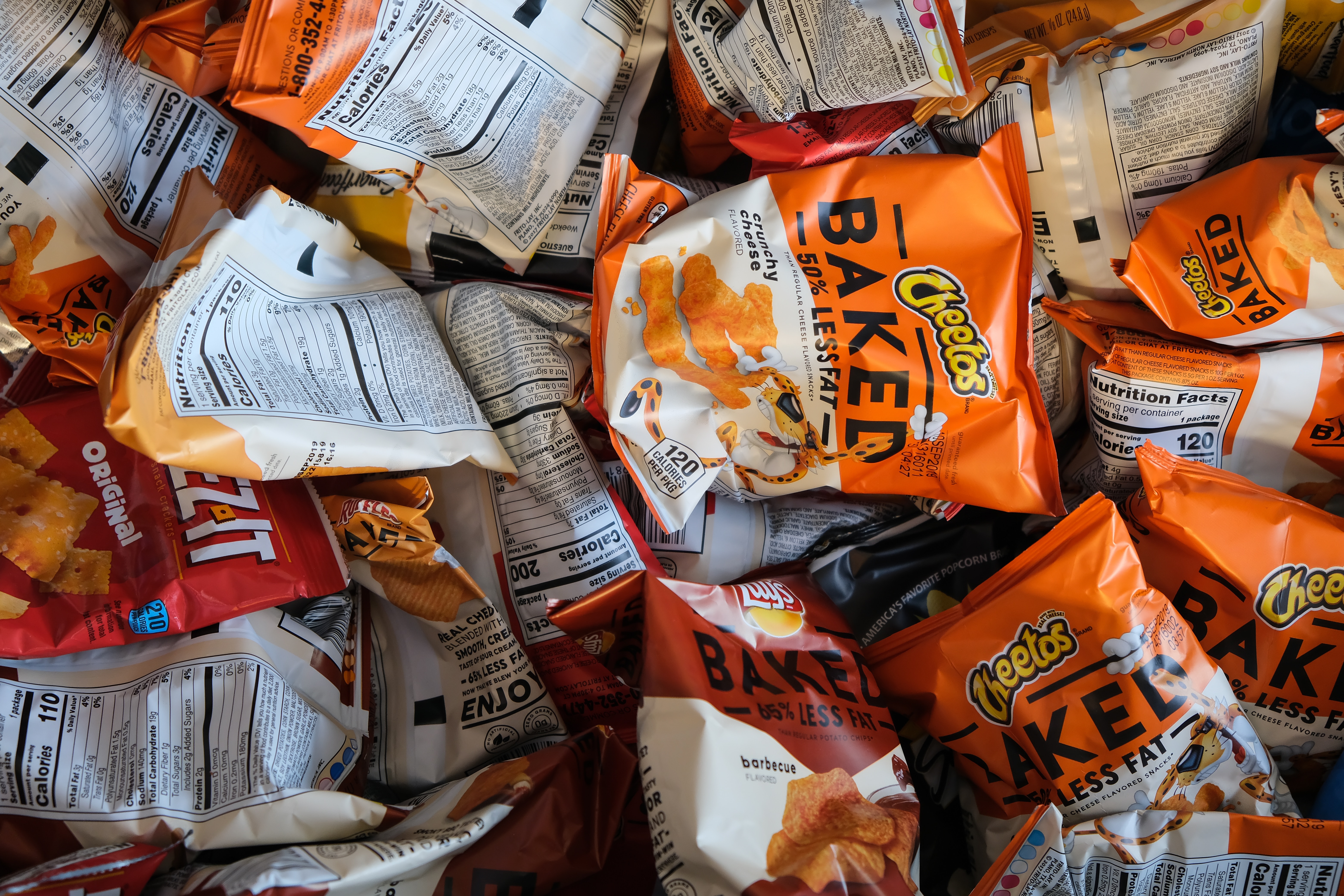
Not only are these traps full of bad foods and empty calories, but they can also quickly drain your budget. Rather than let the kids roam the gas station looking at cookies & candy – make quick trips to bathrooms and come back to the car where snacks are already packed in advance. While eating healthy on the road may be a goal, make sure to pack a handful of treats to surprise the kids with when you have to say no at a gas station along the way.
Kick the snack habit
While this is likely the toughest time to do so, most of the unnecessary expenses on the road come from snacks and food along the way. Make an effort to limit snacks to only fresh fruit 2-3 times a day between meals instead of the steady stream of snacking that often happens in the car.
Pack Good Travel Snacks
Packing snacks prevents you from frequently stopping to buy expensive junk food on the road. Gas stations hike the prices of snack foods because they know they will sell no matter what. In essence, they want you to depend on them for food on the road. By packing your snacks, you can save a lot of money on your road trip. The easiest way to do this is to bring a cooler and pack it with fruit, cheese, crackers, and easily transportable things.
6 Low-Fat Snacks to Bring On a Road Trip
Fruits and Vegetables
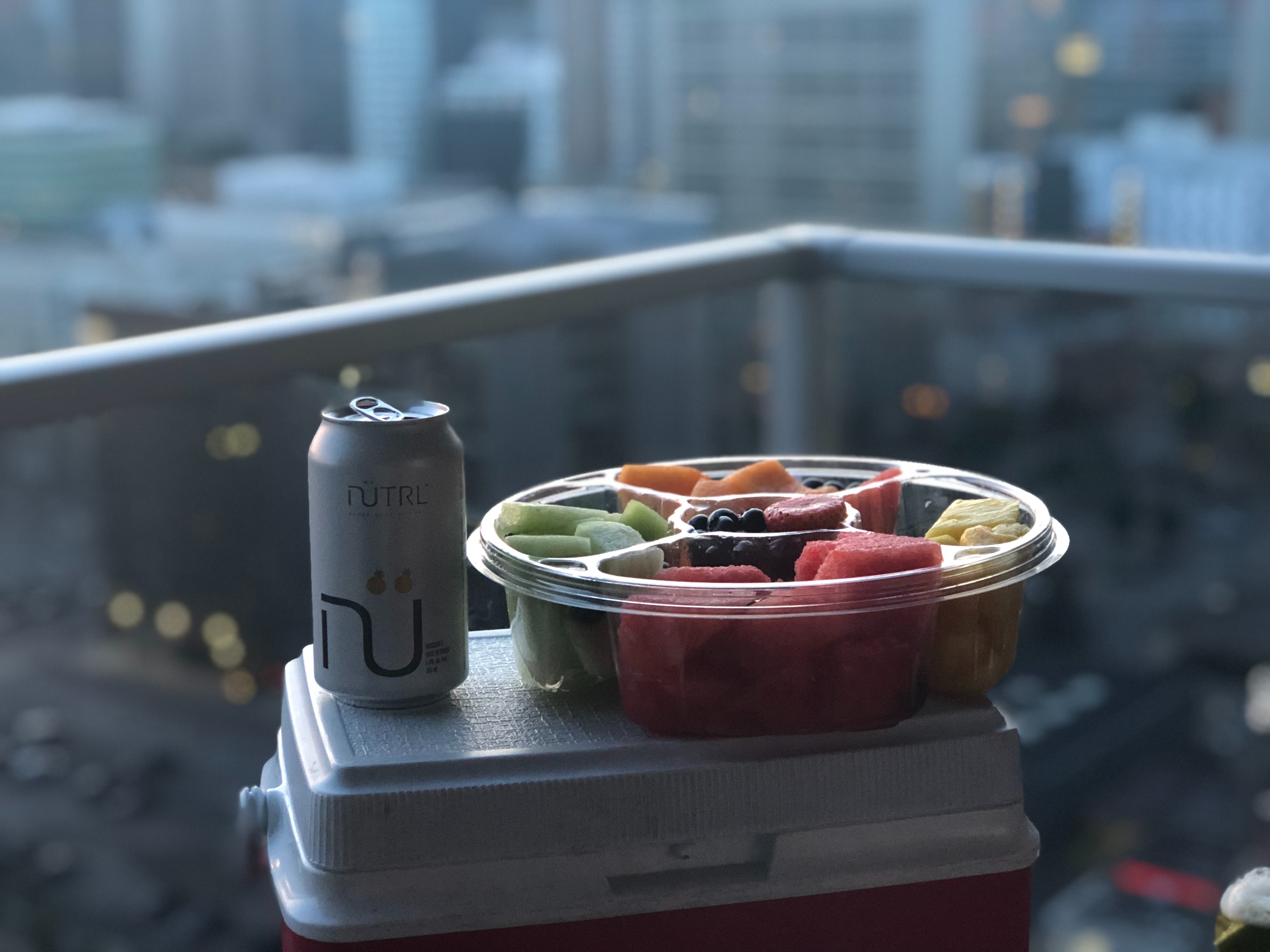
A simple way to have healthy snacks on your road trip is to pack fruits and vegetables. Most produce can be left out of the refrigerator for short periods. It might not last the entire week-long road trip, but you should be suitable for the first couple of days.
You can also get a cooler and get more ice to add to it every time you go to the gas station or convenience store. Choose items like carrot sticks, bell pepper slices, broccoli, bananas, cherry tomatoes, and apples.
Whole Grain Cereal
There are cereal cups at many gas stations and convenience stores that are perfect for a snack! Just find a few cereal cups that contain whole-grain cereal instead of sugary cereal, then put them in the car. Since it is a snack, you don’t need any milk. These are easy to place in the cup holder and grab a few pieces as needed while you drive.
Squeezable Applesauce or Yogurt
Squeezables may seem like something only kids eat, but it is so convenient! Yes, it might not be quite as fresh and organic as you want, but it is undoubtedly better for you than cookies, chips, or a candy bar.
First, check the health aisle for the applesauce, since some organic brands are selling healthier versions. For the squeezable yogurt, it will probably be near all the kid’s yogurts, but trust me, you will be glad you thought of it.
Protein Bars
An easy thing to bring with you in the car is a box of protein bars. You can get them at the grocery store, health food store, or your neighborhood convenience store. Some of them do have quite a bit of sugar, so check the labels carefully when choosing the right ones. Some cereal bars contain bits of whole grain cereal, but in a convenient bar form.
High-Protein Snacks
Aside from protein bars, there are some other easy snacks for road trips that keep you energized and full. For example, you can get a couple of bags of jerky, looking for a bag without a lot of additives. If you have a food dehydrator at home, you can even make it yourself. Some other options include baggies of nuts and seeds, roasted chickpeas, or hard-boiled eggs.
Trail Mix or Granola Mix
Both of these options are super easy to make yourself, so you have full control over their ingredients. Try to bring as many snacks as possible that you can eat while driving, not just as a passenger. Make your trail mix or granola mix with granola, dried fruit, nuts, and seeds, and you’re ready to go!

Bring gallons of water
Bringing gallons of water on your trip will keep you extraordinarily hydrated and is much more cost-efficient. Not only is soda unhealthy, but it’s costly. You get a lot more bang for your buck by drinking gallons of water on your trip!
Check for local coupons
Whether you plan and buy an Entertainment Book full of coupons or check out Groupon, Living Social & Amazon Local for great deals on meals – don’t go without a plan for discounted meals at local restaurants. Many offers are BOGO or % Off specific amounts spent. These give you the chance to enjoy tasty local fare without breaking the bank.
Map out where you will eat. Look for deals along the way before you go so you know where you will be stopping for meals as well as being able to stay within your budget. Look for chain restaurants that offer “kids eat free” specials.
Take gift cards
It is OK to eat out on your great American road trip, after all, you are on vacation. Gift cards save your food budget when you want to go out to eat. You can earn the FREE with so many different ways on the Internet, or buy them at gift card discount sites like Gift Card Granny. We use our credit card points for them.
The essential part of enjoying frugal meals on the road is planning. It most certainly doesn’t mean you will have to eat only Ramen noodles and peanut butter & jelly sandwiches. It merely means a bit of organization and planning go a long way toward keeping your family happy and well-fed as well as keeping your wallet in check while on the road.
Road Trip Souvenirs
If you have little people, you are in trouble as most places have gift shops geared right to them – almost every major attraction in the Magic Kingdom had a gift shop as you left it (Pirates of the Caribbean, etc.) Be proactive with a gift of the day! I have them already wrapped, and Miss Sarah picks one a day to open each morning. Try to think about how long you might be in the car on your American road trip and plan accordingly with gifts that will help occupy them.
Be prepared for the weather
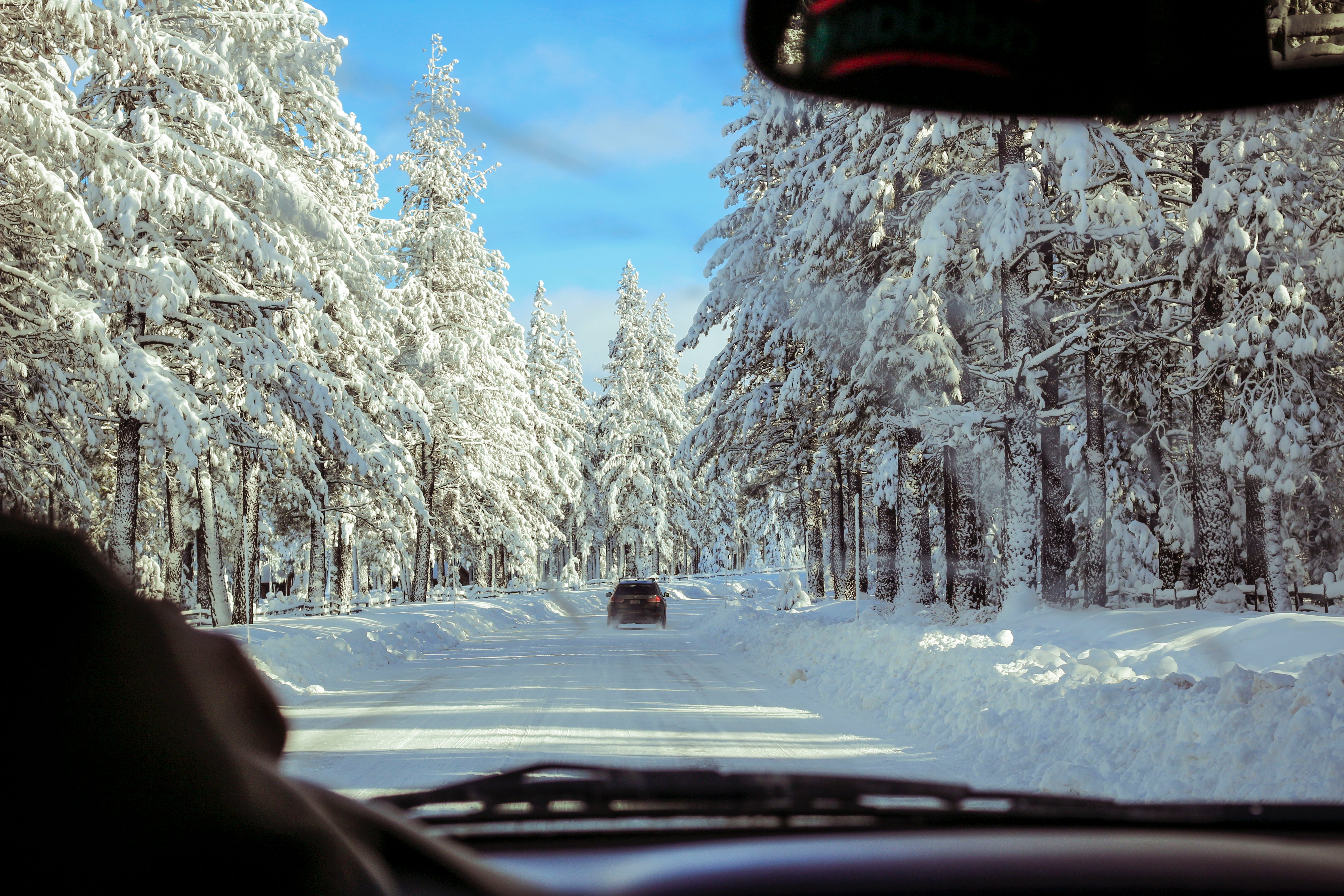
Are you driving in the winter? It can be brutal in the midwest or northwest on the roads if you have a problem. You need to check the weather forcast and plan accordingly.
I can tell you that I know a lot of this from experience! My friend Julie and I were on a Chicago Trip with our Daughters for a Wisconsin Parent story and, on the way back, we were on the side of the Illinois tollway in freezing weather and a dead car. We had some of this in Julie’s car – and our kiddos were nice and toasty, but we weren’t. It doesn’t take long to have that body temperature drop! Check out this Winter Weather Car Travel Safety and Survival Tips
Follow these guidelines for a well-budgeted American Road trip, and you’ll be glad you did! What other tips do you take into consideration when you go on a road trip? Let me know in the comments below!
Other posts you may enjoy:


