We may earn money or products from the companies mentioned in this post. This helps support what we do and in no way costs you a thing.
Visiting the Eisenhower Presidential Library, Museum, and Boyhood Home was a big deal for me. It was my first time exploring a museum dedicated to a U.S. president, and it turned out to be an eye-opening experience. I learned so much about President Dwight D. Eisenhower, a truly remarkable figure in American history.
This visit made me wish there were similar museums for every U.S. president. It got me thinking about adding more presidential museums and libraries to my list of future travel destinations. Join me as I guide you through the life and legacy of President Eisenhower, with the hope of inspiring your own journey into our nation’s history.
Don’t get me wrong, I studied Ike and WWII in high school – but it didn’t seem that interesting at the time or to really stick. I am old enough that we still had “duck and cover” drills as part of the Cold War. The Berlin Wall wouldn’t be coming down for a few years yet. I was amazed at what I learned about him, the woman who helped make him great, and the life of experiences that drove him to want nothing more than peace.
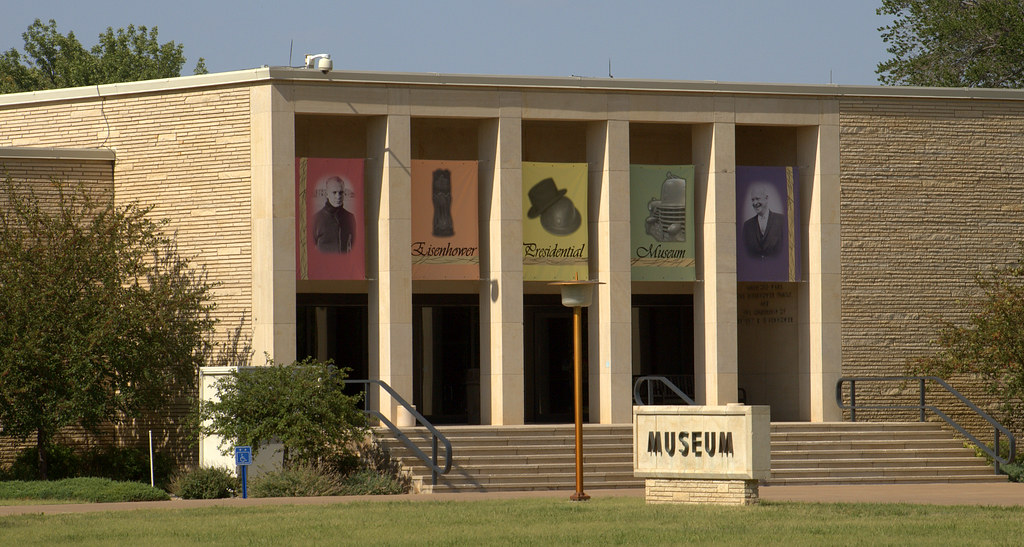
Visiting the Eisenhower Presidential Library, Museum, and Boyhood Home is a must for anyone interested in the life and legacy of one of America’s most beloved leaders. Located in Abilene, Kansas, the museum and library complex is dedicated to preserving the memory of Dwight D. Eisenhower, the only 5-star General who became President of the United States. The complex is spread over a 22-acre campus and includes the Eisenhower Presidential Library, the Eisenhower Museum, and the Eisenhower Boyhood Home.
The Eisenhower Presidential Library is a research facility that houses millions of documents, photographs, and artifacts related to the life and career of Dwight D. Eisenhower. The library’s archives are open to the public, and researchers can access a wealth of information about Eisenhower’s military career, his presidency, and his personal life. The library also hosts a variety of educational programs and public events throughout the year, making it a popular destination for history buffs and students alike.
The Eisenhower Museum is a state-of-the-art facility that features interactive exhibits, multimedia displays, and a vast collection of artifacts related to Eisenhower’s life and career. Visitors can explore the General’s military career, his presidency, and his personal life through a variety of exhibits, including a replica of his Oval Office, a collection of his personal memorabilia, and a display of the gifts he received during his time in office. The museum also hosts a variety of special exhibits and events throughout the year, making it a great destination for families and history enthusiasts.
Eisenhower’s Early Life
Dwight D. Eisenhower, the 34th President of the United States, was born in Denison, Texas, on October 14, 1890. His parents were David Jacob Eisenhower and Ida Elizabeth Stover Eisenhower. He was the third of seven sons.
Birth and Family
Eisenhower’s family moved to Abilene, Kansas, when he was just two years old. His father was a college-educated engineer who worked for a local creamery. His mother was a devout Mennonite who had a strong influence on his upbringing. Eisenhower grew up in a close-knit family and was especially close to his younger brother, Milton.
Education
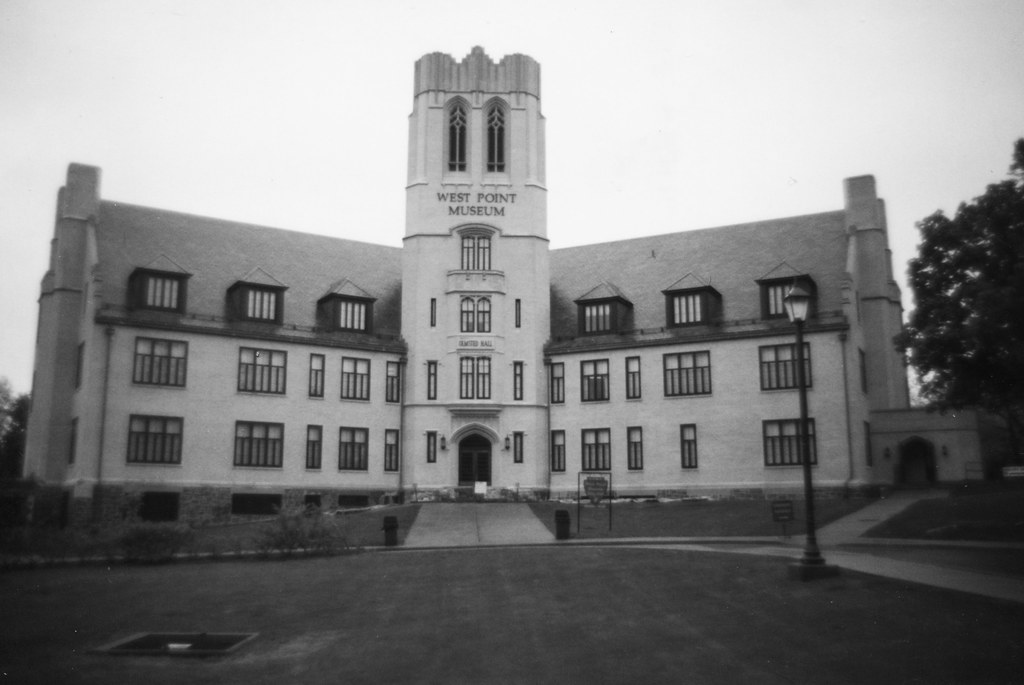
Eisenhower graduated from Abilene High School in 1909. He was a talented athlete, playing football, baseball, and basketball. After high school, he worked for a year to save money for college. In 1911, he entered the United States Military Academy at West Point, New York.
Military Career
After graduating from West Point in 1915, Eisenhower served in a variety of military roles. He was stationed in Texas, Georgia, and the Philippines, and he served as an aide to General John J. Pershing during World War I. In the 1920s and 1930s, he served in various administrative roles, including as an instructor at Fort Benning in Georgia.
During World War II, Eisenhower played a key role in the Allied victory. He was appointed Supreme Commander of the Allied Forces in Europe in 1943 and led the D-Day invasion of Normandy in 1944. After the war, he served as the Military Governor of the American Zone in Germany.
The Influence of His Wife
Eisenhower’s wife, Mamie, was a strong influence on his life and career. They met in San Antonio, Texas, in 1916, while Eisenhower was stationed at Fort Sam Houston. They married in 1916 and had two sons, Doud and John.
Mamie was known for her elegance and charm, and she played an important role in Eisenhower’s political career. She was a popular First Lady and was known for her support of various social causes, including mental health and the arts.
Presidential Years
Election
In 1952, Dwight D. Eisenhower won the presidential election in a landslide victory over Democrat Adlai Stevenson. Eisenhower, a popular World War II general, ran on a platform of strong national defense and promised to end the Korean War.
The Cold War
During his presidency, Eisenhower faced significant challenges in foreign policy, particularly with the Soviet Union. He implemented a policy of “massive retaliation,” which threatened to use nuclear weapons in response to any aggression by the Soviet Union. This policy, along with the development of the Intercontinental Ballistic Missile (ICBM), helped to deter Soviet aggression and prevent a nuclear war.
Major Policies
Eisenhower’s presidency was marked by several major policies, including the creation of the Interstate Highway System, which revolutionized transportation in the United States. He also signed the Civil Rights Act of 1957, which was the first federal civil rights legislation since Reconstruction.
Additionally, he established the National Aeronautics and Space Administration (NASA) and the Defense Advanced Research Projects Agency (DARPA), which helped to spur innovation and technological progress in the United States.
End of Term
At the end of his second term, Eisenhower faced several challenges, including the U-2 incident, in which a U.S. spy plane was shot down over the Soviet Union. He also faced criticism over his handling of the civil rights movement, particularly in the wake of the Little Rock Nine crisis. Despite these challenges, Eisenhower left office with a strong legacy as a popular and effective president who helped to shape the course of American history.
Library and Museum
If you’re interested in learning about the life and legacy of President Eisenhower, the Eisenhower Presidential Library, Museum, and Boyhood Home is the perfect destination. The library and museum are located in Abilene, Kansas, and are open to the public for tours and research.
Establishment
The Eisenhower Presidential Library, Museum, and Boyhood Home was established in 1969 as a way to honor the life and legacy of President Dwight D. Eisenhower. The library and museum are part of the National Archives and Records Administration and are dedicated to preserving and promoting the history of the United States during the Eisenhower administration.
Collections
The library and museum have an extensive collection of documents, artifacts, and other materials related to the life and presidency of Dwight D. Eisenhower. The collection includes personal papers, photographs, audio and video recordings, and artifacts from his military and political careers. The library also has a research room where visitors can access primary source materials related to the Eisenhower administration.
Exhibits
The museum has a variety of exhibits that showcase the life and legacy of President Eisenhower. The exhibits cover a wide range of topics, including his military career, presidency, and personal life. Some of the highlights of the museum include a replica of the Oval Office during Eisenhower’s presidency, a collection of his paintings, and a section dedicated to his famous “Atoms for Peace” speech.
In addition to the permanent exhibits, the museum also has temporary exhibits that rotate throughout the year. These exhibits cover a wide range of topics related to the Eisenhower administration and are a great way to learn more about this important period in American history.
Overall, the Eisenhower Presidential Library, Museum, and Boyhood Home is a must-visit destination for anyone interested in learning about the life and legacy of President Dwight D. Eisenhower.
Boyhood Home
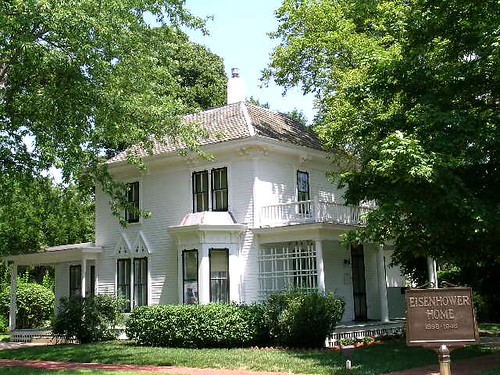
If you’re visiting the Eisenhower Presidential Library, Museum, and Boyhood Home, you won’t want to miss the opportunity to tour the Boyhood Home. This historic site is where Dwight D. Eisenhower spent his formative years and is a fascinating glimpse into his early life.
History
The Boyhood Home was built in 1887 and was originally owned by David and Elizabeth Eisenhower, Dwight’s parents. The family moved into the home in 1898, when Dwight was eight years old. The home is a Victorian-style house with four bedrooms, a parlor, a dining room, and a kitchen. The family lived in the home until 1942, when they moved to Washington, D.C.
Restoration and Preservation
In 1980, the Eisenhower Foundation purchased the Boyhood Home and began a restoration project to bring the home back to its original condition. The restoration project took several years and was completed in 1986. The home was then opened to the public for tours.
In 2022, the Boyhood Home underwent another preservation project, which included exterior lead paint abatement and maintenance updates. The project was completed in several months, and the home is once again open to visitors. Tours are available Tuesday through Sunday and are limited to 10 guests per time slot. Tickets may only be purchased onsite.
If you’re interested in learning more about the early life of Dwight D. Eisenhower, a tour of the Boyhood Home is a must-see. You’ll get a glimpse into the life of one of America’s most beloved presidents and see where he spent his childhood years.

Legacy and Influence
The Eisenhower Presidential Library, Museum, and Boyhood Home is a testament to the life and legacy of Dwight D. Eisenhower, the only 5-star General who became President of the United States. The library, museum, and boyhood home are operated by the National Archives and Records Administration and the Eisenhower Foundation.
The legacy of Dwight D. Eisenhower is one of leadership, service, and dedication to his country. His military career spanned over 40 years, and he served as the Supreme Commander of the Allied Forces in Europe during World War II. As President, he oversaw the end of the Korean War, launched the “Atoms for Peace” program, and implemented the “New Look” policy of national defense.
The Eisenhower Presidential Library, Museum, and Boyhood Home is dedicated to preserving the legacy of Dwight D. Eisenhower and promoting the values he exemplified. The library and museum house a vast collection of documents, artifacts, and exhibits that tell the story of his life and career. The boyhood home, located in Abilene, Kansas, is a National Historic Site that offers visitors a glimpse into the early years of his life.
The influence of Dwight D. Eisenhower can be seen in the many organizations and initiatives that bear his name. The Eisenhower Foundation, for example, is dedicated to preserving his legacy and promoting the values he exemplified. The foundation supports a variety of programs, including the Eisenhower Presidential Library and Museum, the Eisenhower Institute, and the Eisenhower Youth Programs.
The legacy and influence of Dwight D. Eisenhower are significant and enduring. The Eisenhower Presidential Library, Museum, and Boyhood Home serves as a reminder of his contributions to our nation and his commitment to service and leadership.

Visiting the Eisenhower Presidential Library, Museum, and Boyhood Home
If you’re planning a visit to the Eisenhower Presidential Library, Museum, and Boyhood Home, there are a few things you should know before you go. This section will provide you with all the information you need to plan your visit.
Location and Hours
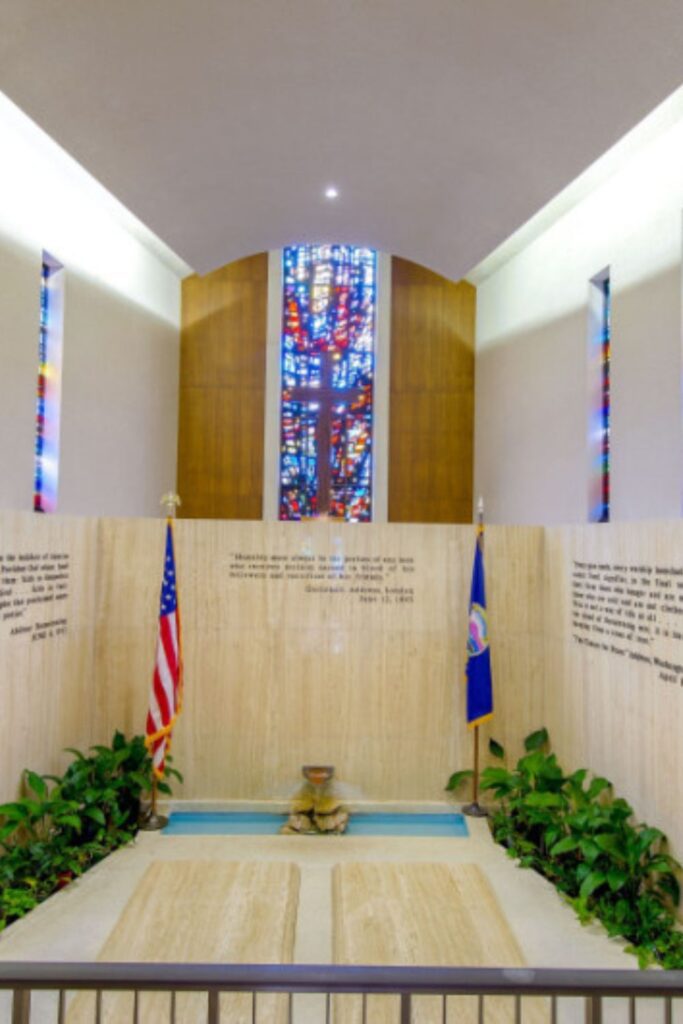
The Eisenhower Presidential Library, Museum, and Boyhood Home is located at 200 SE 4th Street, Abilene, Kansas 67410. The campus covers 22 acres and includes five buildings: the Presidential Library, Presidential Museum, Boyhood Home, Visitors Center, and Place of Meditation.
The campus grounds and Place of Meditation are open daily from sunrise to sunset. However, the museum exhibits and Boyhood Home tours require tickets. The museum and Boyhood Home are open from 10 a.m. to 3:30 p.m. Monday through Friday and from 11:30 a.m. to 2:30 p.m. on Sundays. Researchers must schedule appointments in advance.
The campus is closed on Thanksgiving, Christmas, and New Year’s Day. If you’re planning a visit, it’s always a good idea to check the website or call ahead for the most up-to-date information.
Tours and Events
To get the most out of your visit to the Eisenhower Presidential Library, Museum, and Boyhood Home, consider taking a guided tour. The Eisenhower Boyhood Home tour provides a glimpse into daily life growing up in the heart of America. The tour is scheduled, and tickets may only be purchased in person.
The museum exhibits cover Eisenhower’s life and legacy, including his military career, presidency, and post-presidential years. The museum also features temporary exhibits that change throughout the year. Check the website for current exhibits and events.
In addition to tours and exhibits, the Eisenhower Presidential Library, Museum, and Boyhood Home offers a variety of public programs throughout the year. These programs include lectures, book signings, and special events. Check the website for a calendar of upcoming events.
The Eisenhower Presidential Library, Museum, and Boyhood Home is an excellent destination for history buffs and anyone interested in learning more about one of America’s most influential presidents. With its beautiful campus, engaging exhibits, and informative tours and events, it’s a must-visit for anyone traveling to Abilene, Kansas.

Frequently Asked Questions
What is the address of the Eisenhower Presidential Library and Museum?
The address of the Eisenhower Presidential Library and Museum is 200 SE 4th Street, Abilene, KS 67410-2900.
What can visitors expect to see at the Eisenhower Presidential Library and Museum?
Visitors can expect to see a variety of exhibits and artifacts related to the life and legacy of President Dwight D. Eisenhower. The museum features exhibits on Eisenhower’s military career, his presidency, and his life after leaving office. Visitors can also view a collection of gifts and artifacts from foreign heads of state, as well as personal items from Eisenhower’s childhood and family life.
Where is the Eisenhower Boyhood Home located?
The Eisenhower Boyhood Home is located in Abilene, Kansas, at 208 East 3rd Street. It is within walking distance of the Eisenhower Presidential Library and Museum.
How long does it typically take to tour the Eisenhower Museum?
The length of time it takes to tour the Eisenhower Museum can vary depending on the visitor’s interests. Some visitors may choose to spend several hours exploring the exhibits and artifacts, while others may only need an hour or two. The museum recommends allowing at least two hours for a full visit.
What is the significance of the Eisenhower Presidential Library and Museum?
The Eisenhower Presidential Library and Museum is significant because it is the only presidential library in Kansas and one of only 15 presidential libraries in the United States. It serves as a repository for the papers and artifacts of President Dwight D. Eisenhower, and it provides visitors with an opportunity to learn more about his life and legacy. The museum also hosts a variety of educational programs and events throughout the year.