We may earn money or products from the companies mentioned in this post. This helps support what we do and in no way costs you a thing.
The Whitney Plantation stands as a profound monument to the history of slavery in the Southern United States. Located in Wallace, Louisiana, Whitney Plantation Tours offers a unique educational experience, allowing you to immerse yourself in the lives of the enslaved people who once lived and worked there. Through its restored buildings, museum exhibits, and memorials, it provides a stark, unfiltered look into the harsh realities of plantation life and the legacies of slavery.
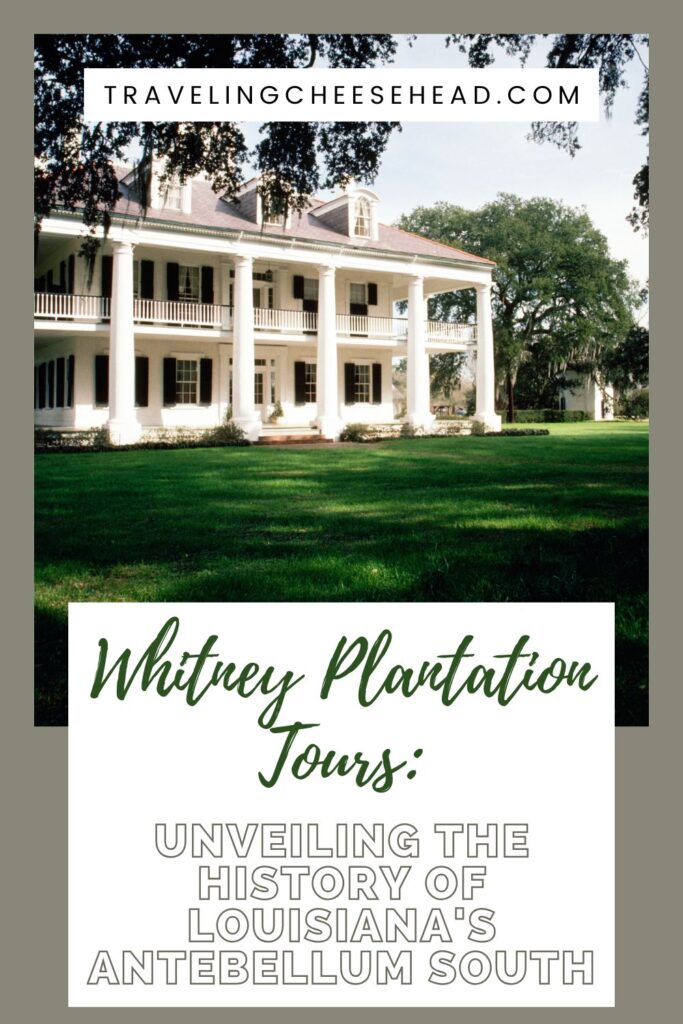
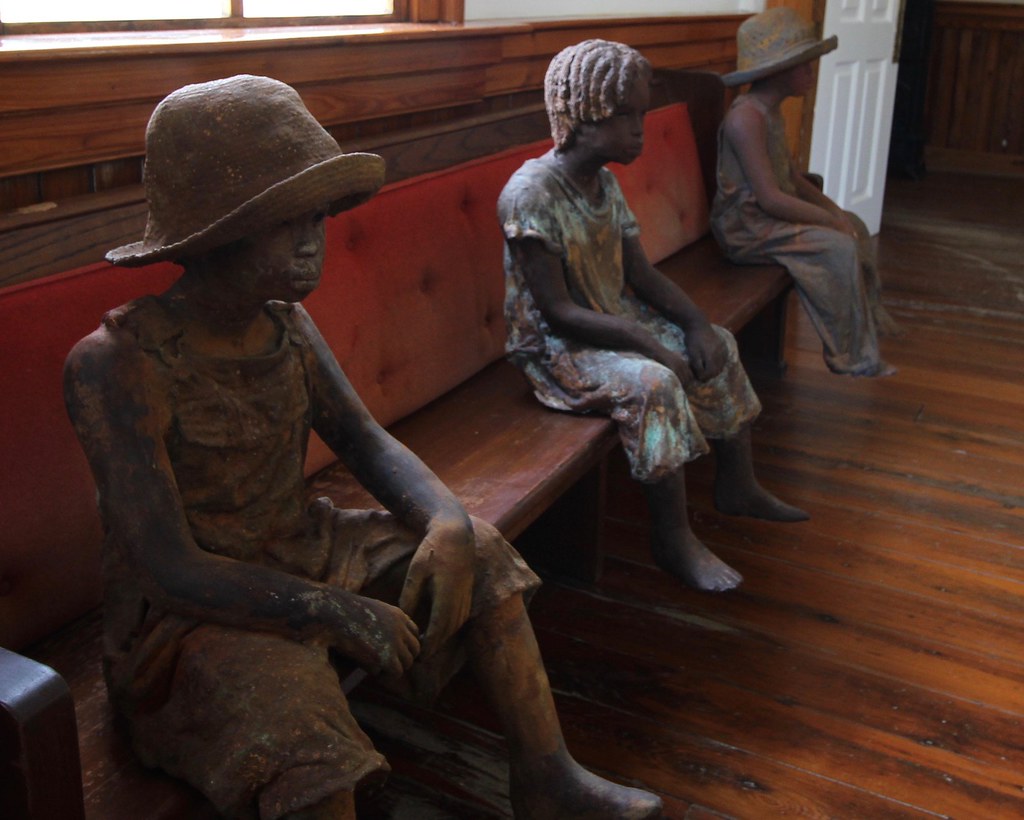
During your tour, you will be guided through the various structures that make up the Whitney Plantation complex, including enslaved workers’ quarters, the Big House, and the Antioch Baptist Church, originally built by former slaves after the Civil War. The plantation’s focus on education and remembrance serves as a poignant reminder of the individuals whose labor and struggles were an integral part of American history.
As you walk the grounds, you’re invited to reflect on the narratives of those who were enslaved on the property, with personal stories and documented histories enriching your understanding. The Whitney Plantation tours don’t just recount facts; they evoke empathy and understanding, ensuring the realities of the past are neither forgotten nor repeated.
History of Whitney Plantation
Whitney Plantation stands as a testament to the history of the southern United States, chronicling its past from a working plantation to a museum dedicated to the African American narrative.
Founding and Early Years
Whitney Plantation, initially known as Habitation Haydel, was established in 1752 when German immigrant Ambroise Heidel purchased the land and began cultivating indigo. By the 19th century, under the ownership of his descendants, the plantation pivoted to the more profitable crop of sugar cane. It was during this time that the estate was renamed in honor of the family’s grandson, John Haydel Sr., who was instrumental in the plantation’s success.
- Notable dates:
- 1752: Ambroise Heidel acquires land and founds the plantation.
- 1803: Transition to sugar cane cultivation under John Haydel Sr.
Transition to a Museum
In 2014, after changing hands several times and falling out of the Haydel family, the Whitney Plantation opened to the public as a museum. This transformation was the vision of New Orleans attorney and real estate developer John Cummings, who, along with historian Ibrahima Seck, dedicated significant effort and resources to restoring the site and converting it into an educational center focused on the lives of the enslaved individuals who lived and worked there.
- Key developments:
- 1990s: John Cummings acquires the property.
- 2014: Museum transition is completed, and Whitney Plantation opens to the public.
Significance in African American History
Your understanding of American history is deepened at Whitney Plantation, as it’s one of the few plantation museums in Louisiana with an emphasis on slavery. Interpretative tours and exhibits focus on telling the story of the enslaved, their daily lives, their struggle for freedom, and their cultural legacies. It presents a narrative often overlooked, one that is crucial to the history of the plantation and the nation.
- Important aspects:
- The museum prioritizes the perspective of the enslaved.
- Emphasizes the resilience and contributions of African American culture.
Tour Experience
Exploring Whitney Plantation offers a deep insight into the history of slavery in the Southern United States. Your tour will be both educational and emotionally impactful.
Tour Types
Whitney Plantation provides two primary types of tours: Guided Tours and Self-Guided Tours.
- Guided Tours: Join a knowledgeable guide who will lead you through various exhibits and memorial artwork.
- Self-Guided Tours: Explore at your own pace with a provided map and extensive signage throughout the plantation.
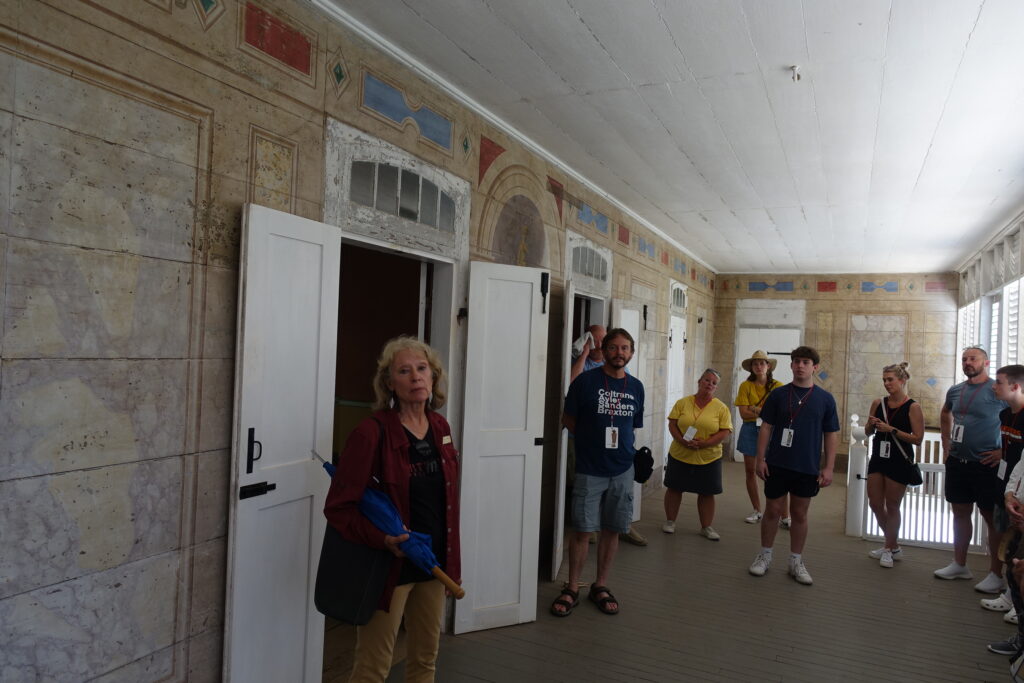
What to Expect
Expect a moving experience as you:
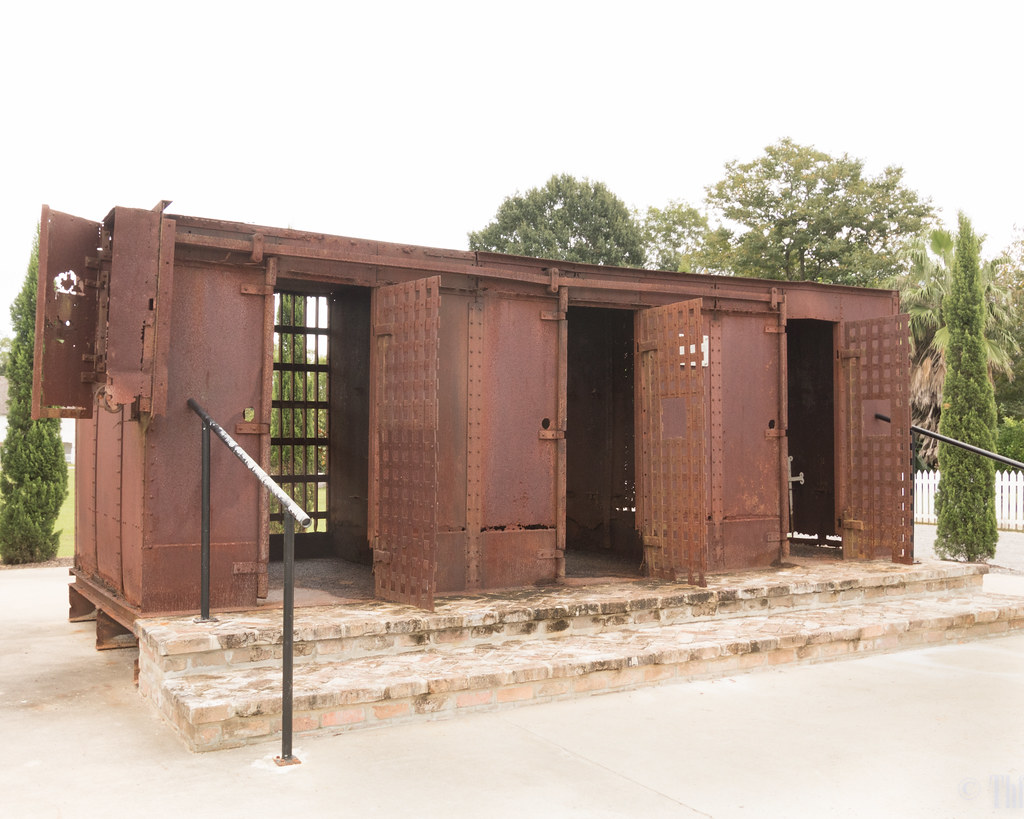
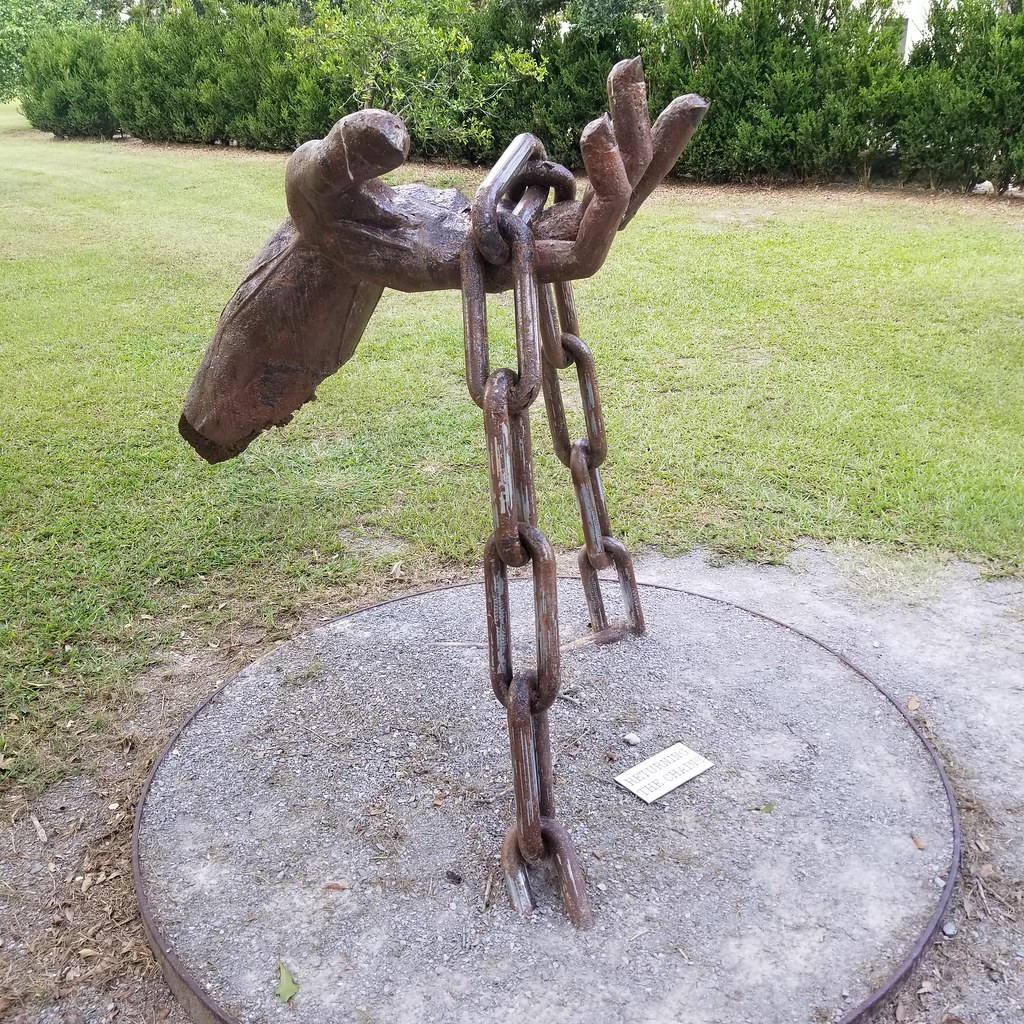
- View Restored Buildings and Art Installations: See the restored church, slave quarters, and memorial sculptures.
- Learn from Historical Documents: Examine original artifacts, including slave narratives and estate inventories.
The subject matter is heavy and may not be suitable for very young children.I found myself crying multiple times.
Duration and Accessibility
Your visit to Whitney Plantation will cover:
- Tour Length: Guided tours last approximately 1.5 hours, while self-guided tours can vary based on your pace.
- Accessibility: The grounds are largely accessible, offering:
Comfortable walking shoes are recommended, and weather-appropriate attire should be considered due to outdoor elements.
| Pathways | Description |
|---|---|
| Paved | Suitable for wheelchairs |
| Gravel | May require assistance |
Planning Your Visit
When visiting Whitney Plantation, purchasing tickets in advance, understanding the best times to visit, and knowing how to get there are crucial steps for a smooth experience.
Ticket Information
Whitney Plantation offers guided tours only, which require tickets purchased beforehand. You can buy tickets online through the official plantation website. As of the latest information:
- Adult: $25
- Senior (65+): Military, Student: $20 (ID required)
- Children (6-18): $10
- Children under 6: Free
Discounts may be available for groups or educational tours.
Operating Hours and Best Times to Visit
Whitney Plantation is open to visitors from Wednesday through Monday, closed on Tuesdays. The operating hours are as follows:
- 9:30 AM – 4:30 PM, with the last tour starting at 3:00 PM.
The best time to visit is during the cooler months from November to April to avoid the Louisiana heat. Mornings are often less crowded.

Exhibits and Memorials
At Whitney Plantation, the exhibits and memorials provide a detailed narrative of the lives of the enslaved individuals who lived and worked on this plantation. This section outlines the key areas you’ll encounter.
Memorial to the Enslaved
The Memorial to the Enslaved pays homage to the individuals who were once held in bondage on the Whitney Plantation. As you walk through, you will see the Wall of Honor, a testament to their names and origins. Additionally, the Field of Angels acknowledges the lives of over 2,000 children whose lives were cut short by the harsh conditions of slavery.
Antebellum Architecture
While exploring Antebellum Architecture, you observe the Big House, which is an original structure dating back to the 1800s. Pay attention to the contrast in scale and quality between the Big House and the preserved slave quarters, a clear indicator of the disparities between the enslavers and the enslaved.
Art Exhibitions
The plantation is also home to various Art Exhibitions that rotate periodically. Contemporary works offer powerful commentary and reflection on the legacy of slavery. Past exhibits have featured prominent themes of resistance, endurance, and the pursuit of freedom.
Educational Programs
Whitney Plantation offers diverse educational programs designed to engage participants with the history of slavery and its legacies.
School and Group Tours
- Targeted Education: Tailored to grade levels, ensuring that the content is age-appropriate and educational.
- Interactive Experience: Guides provide hands-on learning experiences through artifacts and stories.
Lectures and Workshops
- Expert-Led Sessions: Features historians and educators specializing in American history and the antebellum South.
- Topics Covered: Discourses range from the history of slavery to the Civil Rights Movement and present-day ramifications.

Visitor Amenities
During your visit to Whitney Plantation, you will find a variety of amenities designed to enhance your experience. These include a thoughtful selection of gifts, comprehensive guided tour services, and dining options to suit your needs.
Gift Shop
Your visit wouldn’t be complete without a stop at the gift shop. You’ll find a range of items, from books that delve into the history of the plantation and slavery to locally-sourced artisan crafts.
Whether you’re looking for a memento or a gift, the selection caters to educational and cultural interests.
Guided Tour Services
Whitney Plantation offers guided tours that provide an in-depth understanding of the historical context and lives of the people who lived and worked there. The guides are thoroughly trained, and the tour is structured to give you a poignant insight into the history of slavery. Timings and availability vary, so you’re advised to check in advance and book your guided tour early to ensure your place.
Dining Options
Should you feel hungry during your visit, there are dining options available. While the plantation does not have a full-service restaurant, you’ll find:
- A selection of light snacks and refreshments
- Local eateries within a short driving distance
- Picnic areas, if you prefer to bring your own food
Please note that the availability of certain items may vary by season and local offerings.

Frequently Asked Questions
Before planning your visit to the Whitney Plantation Museum, here’s information on operation hours, tour booking, fees, transportation, and time allocation for your tour.
What are the hours of operation for the Whitney Plantation Museum?
The Whitney Plantation Museum is open for visitors from Wednesday to Sunday, from 9:30 am to 4:30 pm. The museum is closed on Mondays and Tuesdays.
Are guided tours available at the Whitney Plantation, and how can they be booked?
Yes, guided tours are offered at Whitney Plantation. You can book them online through the official website or by calling the museum directly. Reservations are recommended.
What is the admission fee for visiting the Whitney Plantation?
General admission for adults is $25, with discounts available for seniors, students, and children. Special rates apply for group tours. Prices may be subject to change, so it’s best to check the official website before visiting.
How can I arrange transportation to the Whitney Plantation from New Orleans?
Transportation from New Orleans can be organized through tour companies that offer shuttle services. Alternatively, you can rent a car or use ride-sharing services. It’s approximately a one-hour drive from New Orleans to the plantation.
What is the recommended amount of time to allocate for a thorough tour of the Whitney Plantation?
It is recommended to allocate at least 90 minutes for a tour. This allows you sufficient time to engage with the exhibits and to absorb the historical context provided by the guides.
Can visitors explore the Whitney Plantation grounds on their own, or is a guided tour required?
Visitors are required to be part of a guided tour to access the historic grounds. This allows for a more informative and respectful visit to the site, which is dedicated to telling the story of slavery.