We may earn money or products from the companies mentioned in this post. This helps support what we do and in no way costs you a thing.
Louisiana is a state rich in history and culture. From the vibrant city of New Orleans to the charming small towns, Louisiana offers a plethora of must-see historic landmarks that are not to be missed. Whether you are a history buff or just looking for a unique experience, Louisiana has something for everyone.

One of the must-see historic landmarks in Louisiana is the Louisiana State Capitol. Completed in 1932, the building stands tall as a symbol of Louisiana’s resilience and determination. The building’s art deco style and towering height make it an impressive sight to behold. Visitors can take a guided tour of the Capitol and learn about its history and significance to the state.
Another landmark that should be on your list is the St. Augustine Church in New Orleans. Built in 1841, the church is the oldest African American Catholic Church in the United States. The church’s vibrant history and stunning architecture make it a must-see for anyone visiting New Orleans.
Take a guided tour to learn about the church’s role in the Civil Rights Movement and its significance to the African American community in New Orleans.

New Orleans’ French Quarter
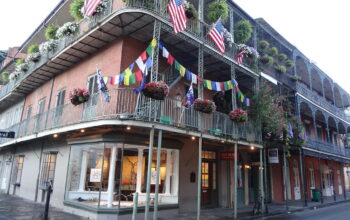
If you’re visiting Louisiana, you can’t miss the French Quarter in New Orleans. This historic district is one of the most iconic and popular tourist destinations in the state. Here are some must-see historic landmarks in Louisiana to add to your itinerary
Cabildo
701 Chartres St, New Orleans, LA
The Cabildo is a historic building located in the heart of the French Quarter. It was built in the late 18th century and served as the seat of government during the Spanish colonial period. Today, it houses the Louisiana State Museum, which features exhibits on the state’s history and culture.
Lalaurie Mansion
1140 Royal St, New Orleans, LA
The Lalaurie Mansion is considered one of the most haunted locations in the French Quarter. It was built in the early 19th century and has a dark history of mistreatment of slaves by its former residents. Today, it is a private residence and not open to the public, but you can still admire its impressive architecture from the outside.
Irish Cultural Museum of New Orleans
933 Conti St, New Orleans, LA
The Irish Cultural Museum of New Orleans is a small museum located in the French Quarter. It features exhibits on the history and contributions of the Irish in Louisiana, including their role in the state’s economy and politics.
The French Quarter
Of course, no visit to the French Quarter would be complete without simply exploring the neighborhood itself. Take a stroll down Bourbon Street, visit Jackson Square, and admire the colorful architecture and vibrant culture of this historic district.

St. Louis Cathedral
St. Louis Cathedral, located in New Orleans, is one of the most famous landmarks in Louisiana. The cathedral is located in Jackson Square and is a popular destination for visitors to the city. The cathedral has a rich history and is known for its stunning architecture and historical significance.
Architecture
St. Louis Cathedral is a stunning example of French and Spanish colonial architecture. The cathedral was built in the late 18th century and has undergone several renovations over the years. One of the most notable features of the cathedral is its three spires, which are a prominent feature of the New Orleans skyline. The cathedral’s interior is just as impressive as its exterior, with beautiful stained glass windows, intricate woodwork, and stunning artwork.
Historical Significance
St. Louis Cathedral has played an important role in the history of New Orleans and Louisiana. The cathedral was originally built in 1727, but was destroyed by a fire in 1788. The current cathedral was built on the site of the original cathedral and was completed in 1850. The cathedral has been the site of many important events over the years, including the coronation of the King of France in 1727 and the visit of Pope John Paul II in 1987.
St. Louis Cathedral is also known for its connection to the city’s famous Mardi Gras celebrations. The cathedral is located on the route of many Mardi Gras parades and is a popular spot for visitors to watch the parades.
St. Louis Cathedral is a must-see landmark for anyone visiting Louisiana. Its stunning architecture and rich history make it a fascinating destination for visitors from all over the world.

Oak Alley Plantation
3645 LA-18, Vacherie, LA
Oak Alley Plantation is a National Historic Landmark located in Vacherie, Louisiana. The plantation is known for its picturesque oak-lined alley, which is over 800 feet long and leads up to the “Big House,” the main plantation house.
The Big House
The “Big House” is a Greek Revival-style mansion that was built in 1837. It was designed by architect George Swainy and features 28 Doric columns, which are each 28 feet tall. The mansion has six large rooms on each of its two floors, with a total of 16 rooms. The interior of the house has been restored and furnished with period antiques, giving visitors a glimpse into life on the plantation during the 19th century.
Slave Quarters
Oak Alley Plantation also has several restored slave quarters on the property. These quarters were home to the enslaved people who worked on the plantation. The quarters are simple, one-room cabins that were originally built in the early 1800s.
The cabins have been restored and furnished with period-appropriate items to give visitors an idea of what life was like for the enslaved people who lived and worked on the plantation.
Visitors to Oak Alley Plantation can take guided tours of the “Big House” and the slave quarters, as well as explore the grounds and gardens. The plantation also has a restaurant and gift shop on site. Admission to the plantation is required to enter the historic site and tickets can be purchased in advance.
Oak Alley Plantation is a must-see historic landmark in Louisiana that provides visitors with a unique look into the history of the state and the people who lived and worked on plantations during the 19th century.
Laura Plantation
2247 LA-18, Vacherie, LA
If you’re looking to experience the rich history of Louisiana, then a visit to Laura Plantation is a must. This Creole plantation is located on the west bank of the Mississippi River near Vacherie, Louisiana. Laura Plantation is significant for its early 19th-century Créole-style raised big house and several surviving outbuildings, including two slave cabins.
Originally known as Duparc Plantation, Laura Plantation is a restored historic Louisiana Creole plantation that is open for guided tours. The plantation was built in 1805 and was home to several white and black Creole families in the nineteenth century. The tour of the plantation focuses on the lives of these families, as well as the exceptional work of the West African slaves that once lived there.
The plantation covers approximately 12,000 acres, which included properties amassed over time. The tour of the plantation takes you through the main house, slave quarters, gardens, and sugar cane fields. You’ll learn about the history of the plantation, the Creole culture, and the lives of the people who lived and worked there.
Laura Plantation is an excellent destination for history buffs, architecture enthusiasts, and anyone looking to experience the unique culture of Louisiana. The plantation has a gift shop where you can purchase souvenirs and books about the plantation’s history.
A visit to Laura Plantation is a fascinating and educational experience that you won’t want to miss out on during your trip to Louisiana.

San Francisco Plantation
2646 LA-44, Garyville, LA
If you are interested in exploring the rich history of Louisiana, you cannot miss the San Francisco Plantation. This plantation house is located in Reserve, St. John the Baptist Parish, Louisiana, and is one of the most architecturally distinctive plantation houses in the American South.
Built in 1853-1856, the San Francisco Plantation House is a registered National Historic Landmark. The house is a Creole, open suite-style home in which each room is a time capsule of a different time. The house is known as the most opulent plantation house in North America, and its style has been dubbed “Steamboat Gothic.”
The San Francisco Plantation House was bought in 1830 by Edmond Bozonier Marmillion from Elisée Rillieux, a free man of color, for $100,000. The plantation was originally named St. Frusquin but was changed to San Francisco by the next owner.
The plantation home underwent an authentic restoration with a price tag of over 2 million dollars in 1977. It was then gifted to the San Francisco Plantation Foundation, and it is a non-profit organization that operates the home for daily tours.
Visitors to the San Francisco Plantation House can take a guided tour of the house and its grounds. The tour provides a glimpse into the lives of the people who lived and worked on the plantation. You will learn about the history of the house and the people who built it, as well as the history of the area.
Don’t forget to take a stroll through the beautiful gardens surrounding the house. The gardens are filled with beautiful flowers and trees, and they provide a peaceful place to relax and enjoy the beauty of nature.
Overall, the San Francisco Plantation House is a must-visit for anyone interested in the history of Louisiana. With its unique architecture, rich history, and beautiful gardens, it is a landmark that you won’t want to miss.

Natchitoches Historic District
1714 LA-494, Natchitoches, LA
If you’re interested in history, Natchitoches Historic District is a must-see landmark in Louisiana. This district is located in the heart of Natchitoches, which is the oldest permanent European settlement in Louisiana. It’s also the oldest permanent European settlement in the wider geographic area involved in the Louisiana Purchase.
The district is also known as the Natchitoches National Historic Landmark District. It encompasses the downtown area and features a vibrant community with many historic homes, churches, and commercial structures. The district is a mixture of Queen Anne and Victorian architecture, along with Creole-style cottages that can be seen throughout the area.
The City’s Historic Landmark District, which fronts Cane River Lake, encompasses a 33-block area. The district includes many historic homes, churches, and commercial structures. Visitors can take a stroll through the district’s streets and appreciate the architecture and history of the area.
The Natchitoches National Historic Landmark District is also home to many events throughout the year. Visitors can enjoy the Natchitoches Christmas Festival, the Louisiana Sports Hall of Fame, and the Natchitoches Jazz/R&B Festival.
If you’re interested in exploring the history of Louisiana, the Natchitoches Historic District is a must-see landmark. With its vibrant community, historic architecture, and events throughout the year, it’s a great destination for history buffs and tourists alike.
Poverty Point World Heritage Site
6859 LA-577, Pioneer, LA
If you are interested in exploring the rich history of Louisiana, then the Poverty Point World Heritage Site is a must-see destination. This historic landmark is located in Pioneer, Louisiana, and was built by American Indians nearly 3,500 years ago. It is a testament to the ingenuity and skill of the people who lived in this region long before European settlers arrived.
At Poverty Point, you will find six C-shaped earthen ridges that are unlike anything else in the ancient world. These ridges were built by hand, using baskets and shovels, and cover an area of nearly 400 acres. The largest mound at Poverty Point, Mound A, is 72 feet tall, 710 feet long, and 660 feet wide. It is an impressive feat of engineering and a testament to the skill of the people who built it.
In addition to the mounds and ridges, Poverty Point also features a museum that is filled with artifacts from the site. Here, you can learn about the daily lives of the people who lived at Poverty Point, as well as their trade networks and religious practices. The museum also features interactive exhibits that are fun for visitors of all ages.
When you visit Poverty Point, you can take a guided tour of the site, or explore on your own. The park is open daily from 9 a.m. to 5 p.m., and admission is $4 per person. If you are interested in Louisiana’s history and culture, then a visit to Poverty Point is a must.

Baton Rouge’s Old State Capitol
100 North Blvd, Baton Rouge, LA
If you’re interested in history, then a visit to Baton Rouge’s Old State Capitol is a must. This National Historic Landmark has stood the test of time and is a testament to the resilience of Louisiana’s people.
Located prominently in downtown Baton Rouge, this building was originally constructed in the 1840s to serve as the state’s capitol building. It was used for this purpose until the 1930s, when a new capitol building was constructed nearby.
Today, the Old State Capitol houses the Museum of Political History, which contains several state-of-the-art exhibits. These exhibits cover a wide range of topics, including Louisiana’s role in the Civil War, the state’s political history, and the impact of Hurricane Katrina on Louisiana.
One of the most striking features of the Old State Capitol is its Gothic architecture. The building’s spires and turrets make it stand out from the surrounding buildings, and its location on a bluff overlooking the Mississippi River provides stunning views of the city.
If you’re planning a trip to Baton Rouge, be sure to add the Old State Capitol to your itinerary. It’s a fascinating building with a rich history, and the exhibits inside provide a fascinating glimpse into Louisiana’s past.
Cane River Creole National Historical Park
400 Rapides Dr, Natchitoches, LA
If you’re a history buff, then Cane River Creole National Historical Park is a must-visit destination in Louisiana. Located in Natchitoches Parish, this park is a National Park System unit within the Cane River Creole National Heritage Area. The park is spread over 62.91 acres and includes two plantations – Oakland Plantation and Magnolia Plantation.
The park is home to 67 historic structures that are remnants of over 200 years of history. The Creole culture is unique to this region, and generations of the same families of workers, enslaved and tenant, and owners lived on these lands. The park is an excellent place to learn about the Creole culture and their way of life.
Oakland Plantation is the main attraction of the park. It is a Creole cotton plantation that was established in the late 18th century. The plantation has 17 original buildings that are open to the public. Visitors can explore the plantation’s main house, slave cabins, and various outbuildings. The plantation has a large collection of artifacts, including furniture, tools, and other items used by the plantation’s owners and workers.
Magnolia Plantation is another plantation that is part of the park. It was established in the early 19th century and has 50 acres of cotton fields and a pecan orchard. The plantation has a few buildings that are open to the public, including the plantation store, overseer’s house, and a few slave cabins.
Cane River Creole National Historical Park is an excellent place to learn about the Creole culture and their way of life. The park is home to two plantations – Oakland Plantation and Magnolia Plantation – that have a rich history and are open to the public. If you’re a history buff, then this park is a must-visit destination in Louisiana.
Longfellow-Evangeline State Historic Site
1200 N Main St, St Martinville, LA
If you’re interested in Louisiana’s rich cultural history, then the Longfellow-Evangeline State Historic Site is a must-visit destination. Located in St. Martinville, Louisiana, this site showcases the cultural significance of the Bayou Teche region and is the oldest state park site in Louisiana, founded in 1934 as the Longfellow-Evangeline State Commemorative Area.
The site was once part of the hunting grounds of the Attakapas Indians and became part of a royal French land grant first used as a cattle ranch. The first Acadians to settle in Louisiana established themselves here, on the banks of Bayous Teche and Tortue, on the edges of this vacherie.
One of the main attractions of the Longfellow-Evangeline State Historic Site is the Maison Olivier, an original French Creole plantation that features historical and cultural exhibits, including an award-winning introductory video. You can also take a tour of the Acadian Farmstead, which provides a glimpse into the daily life of Acadian settlers in Louisiana.

Another highlight of the site is the Evangeline Oak Tree, located on the corner of Evangeline Blvd and S. New Market St. in downtown Saint Martinville. This majestic live oak tree is believed to be over 300 years old and is said to have been the meeting place of the Acadians before their deportation in 1755.
Overall, the Longfellow-Evangeline State Historic Site is a fascinating destination that offers visitors a unique insight into Louisiana’s cultural heritage. Whether you’re a history buff or simply appreciate beautiful scenery and architecture, this site is well worth a visit.
Final Thoughts
Louisiana is a state with a rich history and culture, and its many historic landmarks are a testament to that. From the Cabildo in New Orleans to the USS KIDD Veterans Museum, there is something for everyone to see and learn about.
Visiting these landmarks is not only a great way to learn about Louisiana’s history, but it also allows you to experience the state’s unique culture firsthand. Whether you are a history buff or just looking for a fun day trip, there is no shortage of things to see and do in Louisiana.
When planning your trip, be sure to check out the Louisiana State Museum collection, which includes nine museums statewide. The Cabildo, The Presbytere, 1850 House, and the New Orleans Jazz Museum at the Old U.S. Mint are all must-sees in the French Quarter.
Additionally, don’t forget to visit the Plaquemine Lock State Historic Site in Plaquemine, the Longfellow-Evangeline State Historic Site in St. Martinville, and the National WWII Museum in New Orleans. These landmarks offer a glimpse into Louisiana’s past and are sure to leave a lasting impression.
Louisiana has many historic landmarks that are a must-see for anyone interested in history, and culture, or just looking for a fun day trip. With so many options to choose from, you are sure to find something that interests you. So pack your bags, grab your camera, and get ready to explore the rich history and culture of Louisiana.
Frequently Asked Questions
What are some of the most famous must-see historic landmarks in Louisiana?
Louisiana is home to many famous must-see historic landmarks. Some of the most famous include the Louisiana State Capitol, the St. Louis Cathedral, the Cabildo, the Old U.S. Mint, and the San Francisco Plantation House.
What is the significance of the Louisiana State Capitol?
The Louisiana State Capitol is one of the most significant landmarks in Louisiana. It is the tallest capitol building in the United States and is listed on the National Register of Historic Places. The building was completed in 1932 and is an excellent example of Art Deco architecture.
What are some of the most popular national parks in Louisiana?
Louisiana is home to several national parks, including the Jean Lafitte National Historical Park and Preserve, the Cane River Creole National Historical Park, and the Poverty Point National Monument. These parks offer visitors a chance to explore Louisiana’s unique natural and cultural heritage.
What are some of the most interesting waterways to explore in Louisiana?
Louisiana is known for its vast network of waterways, including the Mississippi River, the Atchafalaya River Basin, and the Bayou Teche. These waterways offer visitors a chance to explore Louisiana’s unique natural beauty and wildlife.
What is the most historical place to visit in New Orleans?
New Orleans, Louisiana is home to many must-see historic landmarks, but the most historical place to visit is the French Quarter. The French Quarter is the oldest neighborhood in New Orleans and is home to many historic buildings, including the St. Louis Cathedral, the Cabildo, and the Old U.S. Mint.
What are some of the must-see historic landmarks in Louisiana?
Louisiana is home to many must-see historical landmarks, including the Oak Alley Plantation, the Laura Plantation, the Myrtles Plantation, and the Forts Randolph and Buhlow State Historic Site. These sites offer visitors a chance to explore Louisiana’s unique history and culture.