We may earn money or products from the companies mentioned in this post. This helps support what we do and in no way costs you a thing.
Picture a two-lane highway cutting past dairy barns, paper mills, pine woods, and lakes that look like spilled silver in the late sun. That mix of farms, factories, and small towns is the stage where Made in Wisconsin brands grew up.
These brands are more than logos on a package. They are the cheese on Friday night pizza, the engine that starts every morning, the root beer in a glass bottle at the county fair. They hold stories about family jobs, immigrant recipes, and a state that quietly takes pride in doing things the right way.
This is not every Wisconsin brand, not even close. It is a focused look at food, drink, and gear that built daily life here and helped shape the state’s identity around hard work, quality, and community. Think of it as a road trip through the brands that feel like home.
Why “Made in Wisconsin” Still Matters Today
In a world where you can order anything from almost anywhere, a local label might seem like a small thing. But when something is made in Wisconsin, the impact is close to home.
A local cheese plant, sausage factory, or engine shop supports hundreds of jobs, sometimes in towns that would be empty without them. Those paychecks circle back into diners, hardware stores, and school fundraisers. The taxes help fix roads, fund libraries, and keep parks open.
Buying local also cuts down on how far products travel. Shorter truck routes mean less fuel burned. When your pizza cheese is made a few counties away instead of across the ocean, that is a small but real win for cleaner air.
Many Wisconsin brands are still family-owned or started that way. When you see those names on the shelf, you are often looking at generations of people who stuck with the same craft. That sense of staying power is part of why “Made in Wisconsin” still feels like a promise, not just a sticker.

From dairy farms to factories: How Wisconsin became a maker state
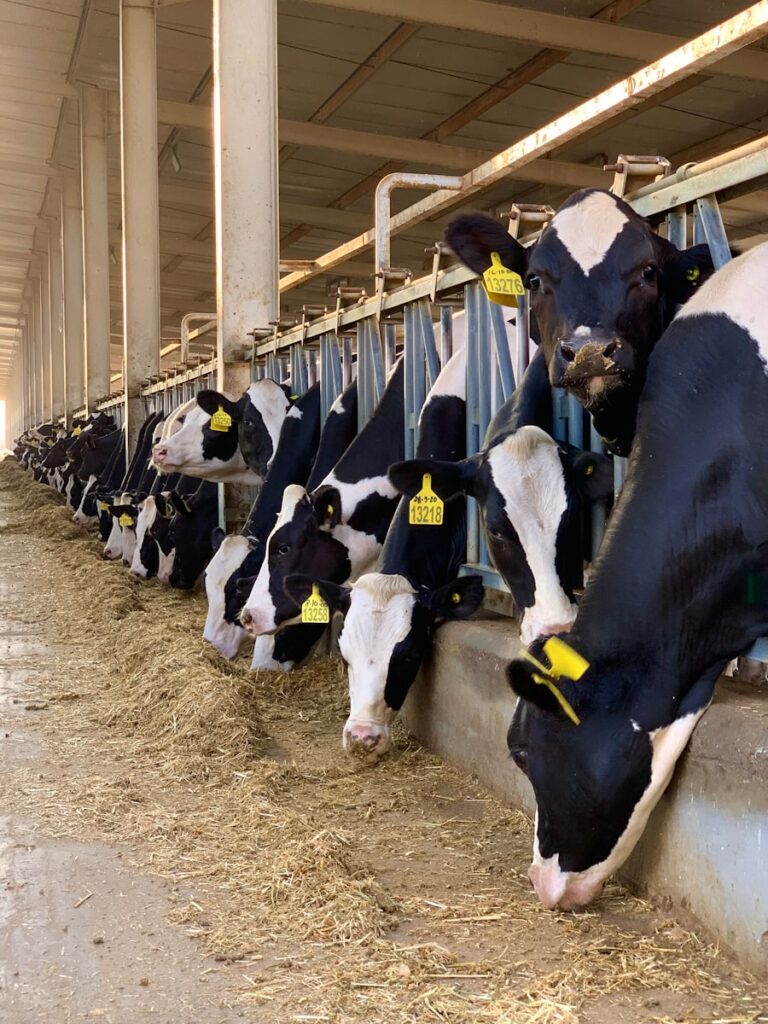
Wisconsin did not wake up one day as “America’s Dairyland.” It got there slowly, cow by cow and cream can by cream can.
Early farmers figured out that the climate worked well for dairy cows. Small cheese factories popped up near farms so milk could be turned into something that traveled better. Immigrants from Germany, Switzerland, and other parts of Europe brought skills, recipes, and a deep love of cured meats and beer.
At the same time, rivers and forests fed paper mills and lumber yards. Cities like Milwaukee and Racine grew factories that built everything from tractors to toilets. By the middle of the 1900s, Wisconsin had a foot in both worlds, farm and factory, milk pail and wrench.
That maker spirit set the stage for the brands people now spot on shelves all across the country.
What makes a Wisconsin brand feel different
Made in Wisconsin brands often share a certain style that you can feel, even if you cannot quite name it.
You see:
- Straightforward marketing, with simple promises instead of flashy claims.
- Products built to last, from work boots to snow blowers, because winter will test anything weak.
- Comfort food that feels like a hug, usually loaded with cheese, butter, or both.
- A clear tie to the outdoors, whether it is hunting gear or a beer brewed for lazy lake days.
There is also a strong habit of community support. A cheese brand might sponsor the local high school team. A factory might hire several generations from the same family, an uncle showing a nephew how to run a machine. The brand ends up woven into town life, not just sitting in a warehouse.

Iconic Wisconsin Food Brands That Shaped How We Eat
Food is where most people first “meet” Wisconsin. You can live three states away and still know the taste of a Wisconsin brat or a frozen custard cone.
These brands helped shape not just state menus, but dinner tables across the country.
Cheese curds, butter, and beyond: Dairy brands that built “America’s Dairyland.”
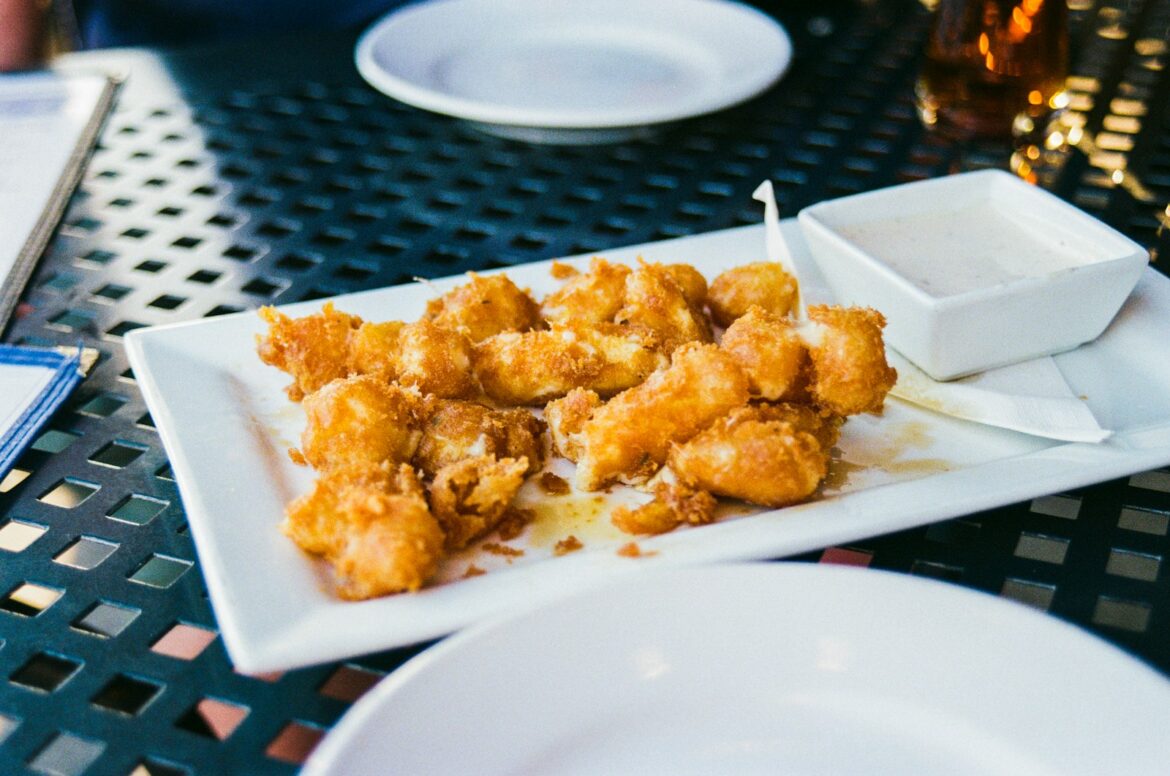
If you start with cheese, you are in the right place. Companies like Sargento helped make packaged cheese a normal part of grocery shopping, while still connecting back to Wisconsin farms. Lists of foods from Wisconsin that everyone recognizes almost always start with one of their bags of shredded cheddar.
Then there are farmstead producers like Crave Brothers Farmstead Cheese. They grow the feed, milk the cows, and make the cheese all in one place. That tight loop keeps money close to the farm and gives them control over quality from barn to package.
Ice cream brands such as Cedar Crest carry that same milk into tubs and cones that show up at drive-ins and scoop shops across the Midwest. For many small towns, the local dairy plant is a big employer and a big sponsor of parades, county fairs, and dairy breakfasts.
All of this together helped turn Wisconsin into “America’s Dairyland” not just as a slogan on a license plate, but as a daily taste in a lot of homes.
Frozen favorites and comfort food from Wisconsin kitchens
Open almost any freezer in the Midwest, and you might find Wisconsin in there.
Frozen pizzas like Tombstone and Jack’s started as small operations that understood one basic truth: people love a fast dinner that tastes like Friday night. Some of these stories are told in pieces in features on Wisconsin’s most recognizable brands, where you see how local family recipes turned into national brands.
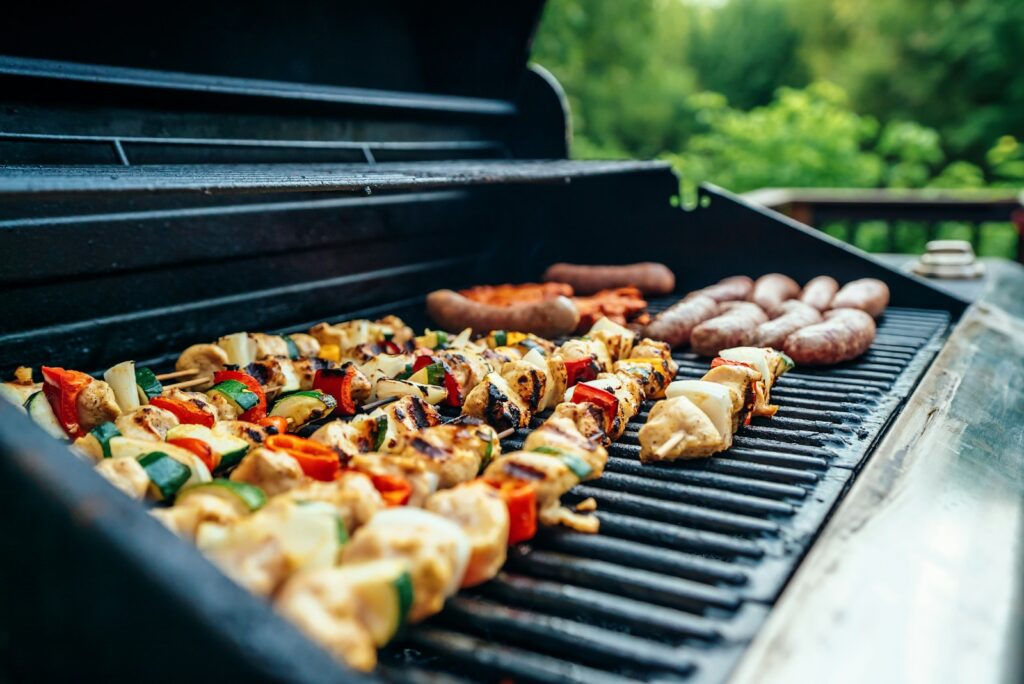
Then there is Johnsonville. What began as a small butcher shop became a sausage name that shows up on grills from Packers tailgates to backyard parties from coast to coast. Their own site, Johnsonville, leans into that love of grilling and simple, hearty food.
These frozen and packaged comfort foods fit real life. Weeknights when everyone is rushing. Game day spreads. Bonfires where people wander in and out of the kitchen, grabbing a slice or a brat. It is Wisconsin flavor, scaled up for busy schedules.
Custard, burgers, and supper clubs: Local spots that became legends
Every region has diners and drive-ins. Wisconsin has something a little different: frozen custard stands and supper clubs.
Culver’s started as a family restaurant in Sauk City that mixed two local obsessions, butter burgers and thick custard. It kept the heart of a small town spot, then slowly spread across the country until people in Arizona and Georgia also knew what a custard concrete was.
Supper clubs are harder to pin down, because they are more vibe than chain. Picture low lights, a relish tray, an Old Fashioned, and a Friday fish fry that draws the same families every week. Some of these supper clubs turned into strong local brands, the kind of places folks drive an hour to visit.
Guides like Discover Wisconsin’s foodie company list often mix these restaurant legends with packaged foods, because in this state, a meal out and a product on the shelf grow from the same love of comfort and community.
Wisconsin Beer, Soda, and Coffee Brands That Quench Our Thirst
If cheese is the backbone, beer and soda are the social glue. Wisconsin drinks tell stories about factory shifts ending at the corner bar, summer days on the lake, and early mornings on Main Street.
From “Brew City” to small town taps: Wisconsin beer brands with deep roots
Milwaukee did not get the nickname “Brew City” by accident. Historic giants like Miller and Pabst made the city famous for beer, with massive breweries that defined the skyline and the workweek for thousands of people.
Regional names like Leinenkugel’s in Chippewa Falls and New Glarus Brewing in the village of New Glarus show a different side of the story. They tie beers to rivers, forests, and rolling hills. Tourists visit for brewery tours, sample rooms, and gift shops that feel half museum, half community center.
Taprooms turn old factories into gathering spots. Weekend tours fill hotels and coffee shops. Beer built more than just a nickname; it helped build local economies and a culture where sharing a pint is its own kind of neighborliness.
Sodas and sparkling waters that taste like Wisconsin summers
Root beer fans know that not all fizz is equal. Sprecher became famous for sodas and root beers in glass bottles, with foam that feels extra special poured over vanilla ice cream. Those bottles show up at cookouts, graduation parties, and roadside diners.
Jolly Good is another classic, a bright and slightly quirky soda line that many people remember from childhood gas station stops. When it faded from shelves, fans missed it enough that the brand saw a comeback.
Regional sparkling waters and flavored seltzers from Wisconsin bottlers also fit into this picture. They taste like humid summer days, car windows down, cooler packed tight in the trunk.
Coffee roasters that wake up Main Street
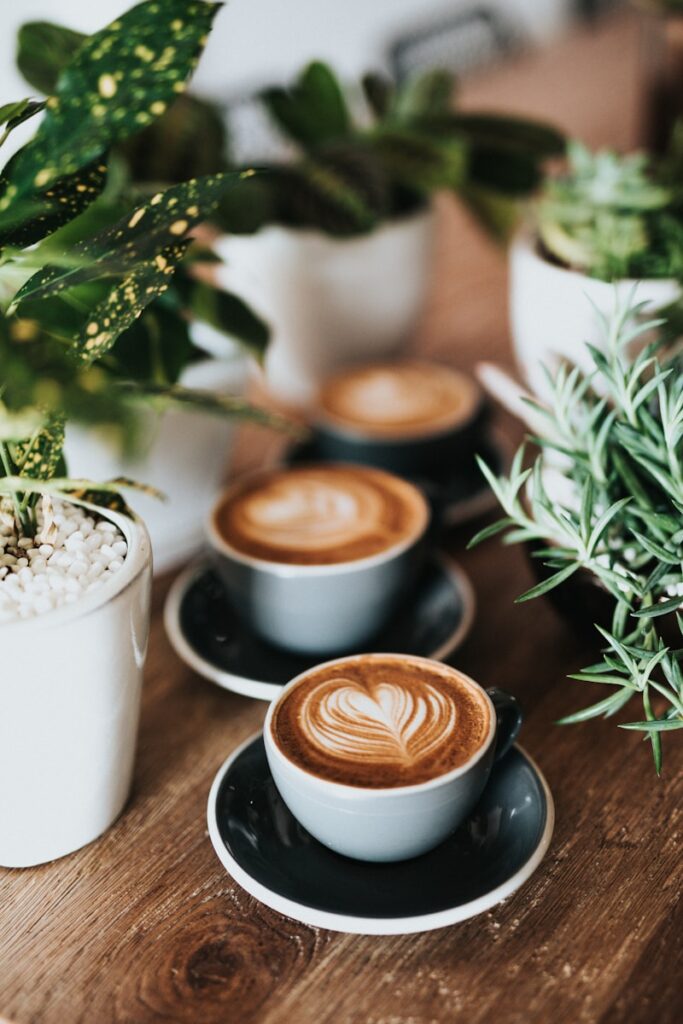
Today, many Wisconsin towns wake up to the smell of locally roasted coffee.
Companies like Colectivo Coffee, Stone Creek Coffee, and Anodyne Coffee Roasting started as small roasteries, often in old warehouses or corner storefronts. They bring in beans from around the world, roast them in state, and fill cozy shops where people meet, study, and negotiate everyday life.
These cafes help keep downtowns alive. A Main Street with a warm coffee shop and Wi-Fi has a better shot at drawing freelancers, students, and small teams who want to work close to home. The brand becomes part of not just morning routines, but the rhythm of a neighborhood.
Work, Play, and the Outdoors: Non‑Food Wisconsin Brands That Built Everyday Life
Not everything ‘Made in Wisconsin’ is edible. Some of the most important names never touch a plate. They live in barns, garages, basements, and closets, where they quietly carry the weight of everyday work and play.
Tractors, tools, and engines that power farms and workshops

In Milwaukee, Briggs & Stratton became a go-to name for small engines. Their motors sit on lawn mowers, snow blowers, and pressure washers across the country. Many people have owned their products without realizing the Wisconsin link.
Kohler, known for both engines and plumbing products, is another giant. From backup generators to bathtubs, the brand touches homes, factories, and campsites. Plants like these trained skilled trades, provided steady union jobs, and built local middle classes.
Racine and other industrial cities helped grow farm brands like Case IH, which traces part of its roots to early tractor manufacturing in the state. Those machines kept fields tilled and crops moving long before GPS tractors were a thing.
Outdoor gear and clothing built for Wisconsin winters
If you want to understand Wisconsin gear, think about standing on a frozen lake in January. The wind stings your cheeks, your boots crunch on ice, and the only thing between you and frostbite is the quality of your clothes.
Brands like LaCrosse Footwear made boots that can handle slush, mud, and snowbanks taller than a kid. Duluth Trading Company, which started in Wisconsin before growing wider, leaned into rugged work clothes that also feel fine at a bar after a shift.
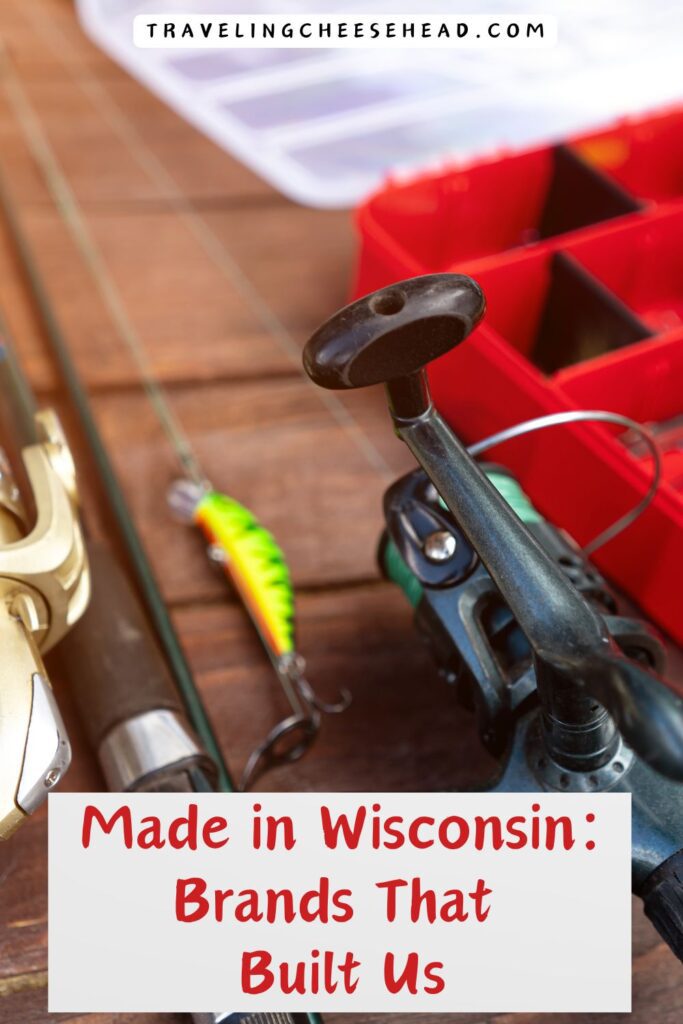
Hunting and fishing brands from the state build gear for deer camp, duck blinds, and summer camping trips. Rods, tackle boxes, insulated bibs, and blaze orange jackets all tell the same story: you are going outside, so your gear better keep up.
Household names from small towns: Paper, plumbing, and more
Some famous Wisconsin brands do their work quietly in the background.
Paper companies like Kimberly-Clark had early operations in towns such as Neenah. Their products ended up in tissue boxes, notebooks, and office shelves around the world. The mills often sat right next to rivers and then built entire neighborhoods around them.
Kohler, again, is a perfect example of how a company can shape a town. The village of Kohler grew with the company, including worker housing, parks, a design center, and later, golf courses and resorts. The business and the community grew up together.
SC Johnson in Racine, known for cleaning and home products, followed a similar path. Factories, research labs, and iconic brick buildings shaped the skyline and pulled in workers from nearby neighborhoods.
How Wisconsin Brands Are Changing for a New Generation
The story is not stuck in the past. New Wisconsin makers keep popping up, and old names are learning fresh tricks while trying to hold on to the same core values.
From factory line to online: E‑commerce and global reach
Many Wisconsin brands now sell as much through their websites as they do through big box stores. A small cheese shop in rural Wisconsin can ship gift boxes across the country with a few clicks. Holiday guides like Wisconsin food brands for your holiday meal help people discover these options.
Social media lets breweries stream live music from the taproom and coffee roasters share behind-the-scenes roasting days. Brewery tours, factory walk-throughs, and farm visits show up as virtual videos as often as in-person events.
This online reach turns a local brand into something that can find fans in New York, Texas, or even overseas, all while keeping production and jobs anchored in Wisconsin.
Craft, small batch, and farm‑to‑table brands are on the rise
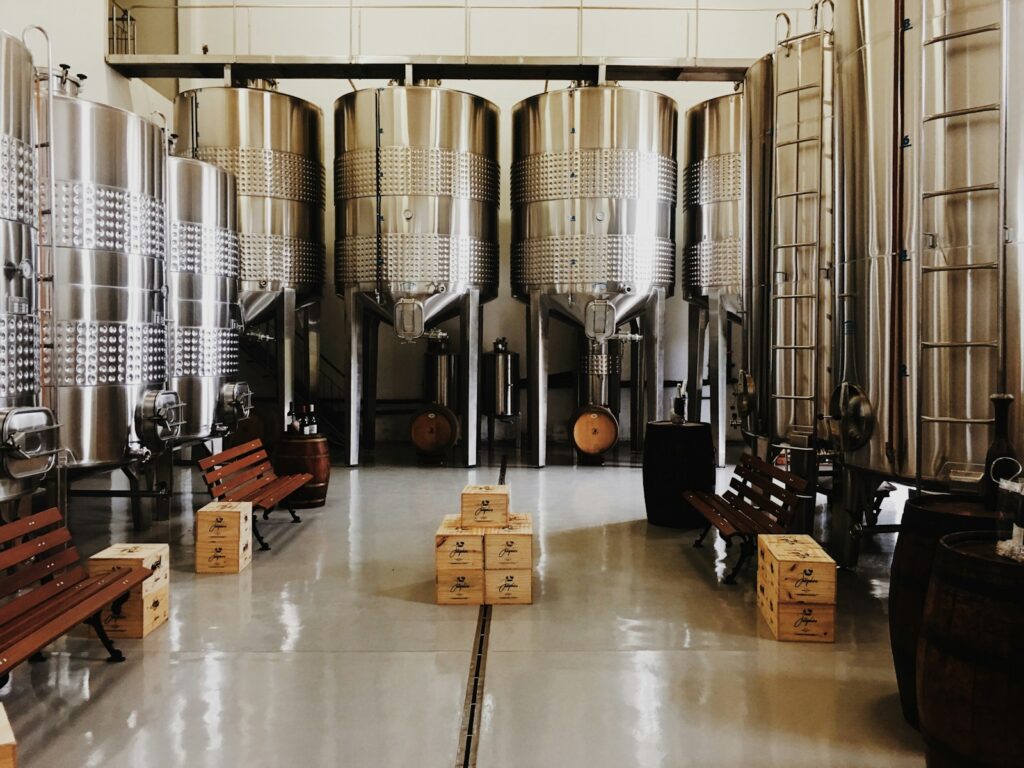
Younger makers are jumping in with small-batch ideas that would have looked strange a few decades ago. Tiny cheese creameries focus on just a few styles. Microbreweries age beer in old whiskey barrels. Jam makers source fruit from one specific orchard.
Many of these new brands team up with local farms and forests. They buy direct from growers, pay fair prices, and show up together at farmers’ markets, food halls, and festivals. Lists of Wisconsin companies every foodie should check out shine a light on these new faces, besides the old favorites.
In a way, this is not new at all. It circles back to the earliest days when a cheesemaker knew every cow that filled the vat.
Keeping Wisconsin values while going green
There is also more attention on the environment than ever. Many Wisconsin brands are trying to shrink waste and energy use while keeping their products tough and reliable.
Some breweries reuse water and capture heat from brewing to warm their buildings. Factories invest in solar panels on warehouse roofs. Packaging shifts from heavy plastics to recycled cardboard where it makes sense.
All of this fits with a state that depends on clean lakes, healthy fields, and fresh air. Caring for the land is not just good for marketing; it is good for fishing trips, farm yields, and kids running around outside.
Final Thoughts on Made in Wisconsin Products
Made in Wisconsin brands, from cheese curds and bratwurst to engines and winter boots, quietly built the way people here live, work, and celebrate. They filled dinner tables, powered barns, kept feet dry in February, and gave small towns reasons to stay on the map.
Behind those logos sit stories of pride, quality, and community that stretch across generations. The next time you shop, it can be fun to flip a package over and look for a Wisconsin town on the label, or to plan a road trip around factory tours, creameries, taprooms, and supper clubs.
New makers are joining the lineup every year, blending online reach with old-school care. Their products will shape the next round of family memories, road snacks, and backyard projects, just like the classics did.
The story of Made in Wisconsin is still being written, one pizza, boot, and bottle at a time.