We may earn money or products from the companies mentioned in this post. This helps support what we do and in no way costs you a thing.
If you’re looking for a unique travel experience, the Peace Garden State is a great place to start. North Dakota is home to a variety of must-see historic landmarks that offer a glimpse into the region’s past. From Native American villages to frontier forts, there are plenty of must-see sites to explore.

One of the most significant landmarks in North Dakota is the Knife River Indian Villages National Historic Site. This site preserves the history of the Northern Plains Indians, who lived in the area for thousands of years. Visitors can explore the remains of earth lodges and learn about the daily lives of the Mandan, Hidatsa, and Arikara tribes.
Another of the must-see landmarks is the North Dakota Heritage Center & State Museum. This museum offers a comprehensive look at the state’s history, from prehistoric times to the present day. Exhibits cover everything from dinosaurs to the state’s oil boom, making it a great place to learn about North Dakota’s unique culture and heritage.
Historic Landmarks Overview
North Dakota is a state rich in history and culture, boasting a number of must-see historic landmarks that offer visitors a glimpse into the past. From Native American sites to military forts and homesteads, North Dakota’s historic landmarks are a testament to the state’s diverse and fascinating history.
One of the most popular, must-see historic landmarks in North Dakota is the Fort Union Trading Post National Historic Site. Located in Williston, this site was one of the first places declared a historical landmark in America. It was a major trading post for over 40 years and played a significant role in the fur trade in the 1800s.
Another must-see landmark is the Knife River Indian Villages National Historic Site, located near Stanton. This site was home to the Hidatsa people for over 300 years and offers visitors a unique glimpse into Native American culture and history.
For those interested in military history, the Fort Abraham Lincoln State Park is a must-visit. This site was once home to General Custer and the 7th Cavalry and played a significant role in the Indian Wars. Today, visitors can tour the reconstructed military fort and learn about the history of the area.
Other notable historic landmarks in North Dakota include the Lewis & Clark National Historic Trail, the Theodore Roosevelt National Park, and the Bagg Bonanza Farm. These sites offer visitors a chance to explore the history of the state and learn about the people who helped shape it.
Whether you’re a history buff or simply interested in learning more about North Dakota’s rich cultural heritage, the state’s historic landmarks are a must-see. From Native American sites to military forts and homesteads, there’s something for everyone to discover in this fascinating state.

Fort Abraham Lincoln
4480 Fort Lincoln Rd, Mandan, North Dakota
Fort Abraham Lincoln is a historic military post located in central North Dakota. The fort was established in 1872 and was named after President Abraham Lincoln. It was an important military post during the Indian Wars and was the home of the famous 7th Cavalry, led by General George Armstrong Custer.
Today, the fort is a state park and one of the most important must-see historic landmarks in North Dakota. Visitors can explore the reconstructed military buildings, including the Custer House, which was once the home of General Custer and his wife. You can also visit the On-A-Slant Indian Village, a reconstructed Mandan Indian village that dates back to the 16th century.
One of the highlights of Fort Abraham Lincoln is the blockhouse, which offers a bird’s-eye view of the military post, On-A-Slant Village, the Missouri River, and the capital city of Bismarck. Spend the night in one of the park’s cabins or tipis, or pitch a tent in one of the primitive or modern campsites available.

Fort Abraham Lincoln State Park is also home to the Lewis and Clark Interpretive Center, which tells the story of the famous explorers and their journey through North Dakota. Visitors can learn about the history of the area through interactive exhibits and displays.
Fort Abraham Lincoln is one of the most fascinating must-see historic landmarks in North Dakota that offers visitors a glimpse into the state’s rich history. Whether you’re a history buff or a nature-lover, Fort Abraham Lincoln State Park is a must-visit destination.
North Dakota Heritage Center
612 E Boulevard Ave, Bismarck, North Dakota
One of the most popular historic landmarks in North Dakota is the North Dakota Heritage Center. Located in Bismarck, this museum is a must-see for anyone interested in the history of the state. With four new museum galleries, the Heritage Center traces the state’s rich history from its earliest geologic formation 600 million years ago to the present day.
The North Dakota Heritage Center and State Museum is a 97,000-square-foot, $52 million facility that tells the history of North Dakota. New galleries take guests through state history from the present all the way back to the Ice Age. Thousands of artifacts and specimens, high-tech displays, and interactive exhibits make the museum experience engaging and educational.
The museum is home to a life-size T. Rex skeleton cast, a Mars spacesuit, and exhibits of rare pottery and beadwork. The new digital Great Plains Theater offers performances and educational programming. The James River Cafe provides a great place to eat lunch and relax.

Whether you’re a history buff or just looking for an interesting and educational experience, the North Dakota Heritage Center is a must-see. With its engaging exhibits and knowledgeable staff, you’re sure to come away with a new appreciation for the rich history of North Dakota.
Fargo Theatre
314 Broadway N, Fargo, North Dakota
If you’re looking for one of the most beautiful must-see historic landmarks in North Dakota that’s both aesthetically pleasing and culturally significant, look no further than the Fargo Theatre. This Art Deco movie theater has been a downtown Fargo staple since its opening in 1926.
The Fargo Theatre’s exterior is a beautiful example of the art deco style, with a marquee that’s been updated several times over the years but still maintains its classic charm. Inside, the theater boasts a spacious lobby with a grand staircase and a chandelier that’s sure to impress.
But the Fargo Theatre isn’t just a pretty face. It’s also a hub for the arts in Fargo and hosts a variety of events throughout the year. From classic film screenings to live music performances to theater productions, there’s always something happening at the Fargo Theatre.
One of the most unique aspects of the Fargo Theatre is its Mighty Wurlitzer organ. This impressive instrument was installed in 1926 and is still in use today. It’s played before many of the theater’s events, adding to the overall ambiance and experience.
Whether you’re a film buff, a lover of live performances, or simply appreciate beautiful architecture, the Fargo Theatre is a must-see landmark in North Dakota.

International Peace Garden
30th Ave NE, Bismarck, North Dakota
Located in Dunseith, North Dakota, the International Peace Garden is a unique and beautiful 2,300-acre park situated on the border between the United States and Canada. Established in 1932, it is one of the continent’s most symbolic and scenic attractions, and a must-see destination for anyone visiting North Dakota.
The International Peace Garden is a non-profit botanical garden dedicated to the mission of celebrating peace and fostering a more peaceful world. The Peace Garden operates on a combination of public and private funding, with public funding provided by both the state of North Dakota and the Manitoba provincial government.
The park features formal gardens, a world-class cacti and succulent Conservatory, prairies, forests, and lakes nestled in the Turtle Mountains along the Manitoba and North Dakota border. The park is a symbol of peace and friendship between the people of the USA and Canada, and thousands of tourists flock to this unique tribute to peace and friendship every year.
One of the most notable features of the International Peace Garden is the 9/11 Memorial, which was dedicated on September 11, 2002, to honor the victims of the September 11, 2001, terrorist attacks. The memorial features a steel beam from the World Trade Center and a plaque with the names of the victims.
Other attractions at the International Peace Garden include the Peace Chapel, Cairn Carillon Bell Tower, Historic Lodge, Friendship Rock, and guided tours. Visitors can also enjoy hiking and biking trails, canoeing and kayaking, cross-country skiing, and winter activities. The park also has a gift shop and a café where visitors can purchase souvenirs and refreshments.

Theodore Roosevelt National Park
If you’re looking for a unique and breathtaking experience, look no further than Theodore Roosevelt National Park. This park, located in western North Dakota, is a must-see for anyone interested in history, wildlife, and stunning landscapes.
Theodore Roosevelt National Park is named after the 26th President of the United States, who spent time in the area as a young man. The park is divided into three units: the North Unit, the South Unit, and the Elkhorn Ranch Unit. Each unit offers its own unique experiences and opportunities for exploration.
One of the highlights of the park is the scenic drive along the 14-mile Theodore Roosevelt North Unit Scenic Byway, which provides sweeping vistas of the colorful North Dakota Badlands. The park is also home to a variety of wildlife, including bison, elk, bighorn sheep, and prairie dogs.
If you’re interested in history, be sure to visit the Maltese Cross Cabin, which was once owned by Theodore Roosevelt himself. You can also explore the remains of the Chateau de Mores, a historic home built by a French nobleman in the late 1800s.
Theodore Roosevelt National Park is a must-see destination for anyone visiting North Dakota. Whether you’re interested in history, wildlife, or simply want to experience the beauty of the Great Plains, this park has something for everyone.
North Dakota State Capitol
600 E Boulevard Ave, Bismarck, North Dakota
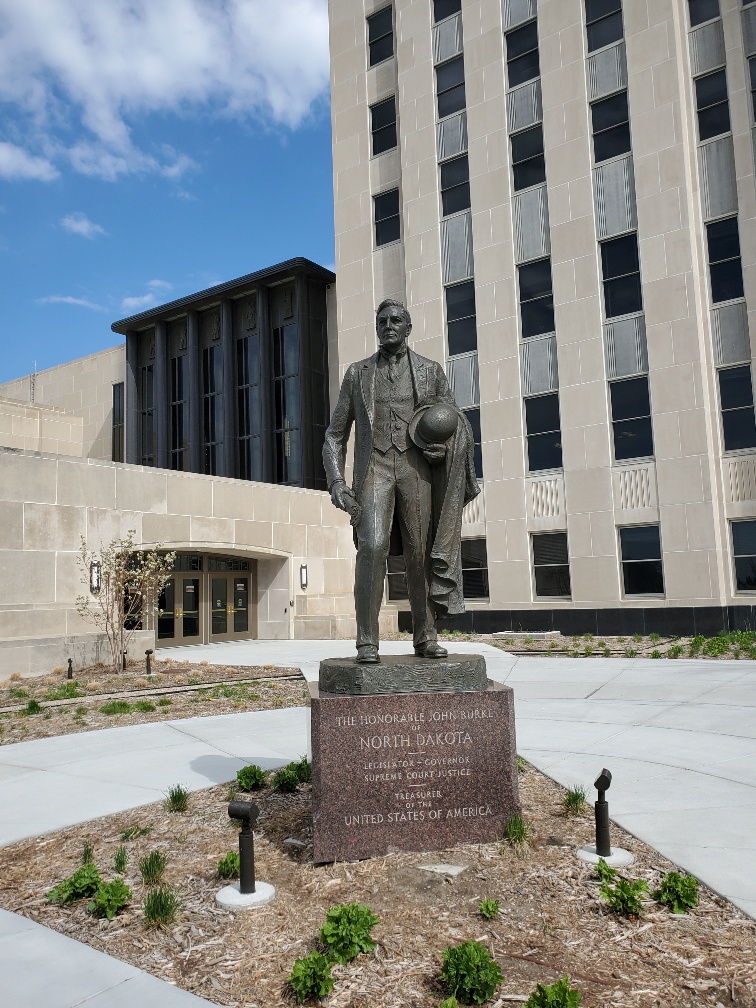
When it comes to historic landmarks in North Dakota, the State Capitol should be on your list. Completed in 1935, the North Dakota State Capitol is located in the state’s capital city, Bismarck. The Capitol building was constructed after the original building was destroyed in a fire in 1930.
The North Dakota State Capitol is unique in many ways. It is one of only three high-rise Capitol buildings in the United States. The building’s architecture is a blend of Art Deco and Prairie styles, which gives it a unique and impressive appearance. Visitors to the Capitol will find a unique blend of prairie-themed Art Deco styling.
The building is also home to many important government offices and agencies. If you are interested in learning about the state’s history and government, take a guided tour of the Capitol. During the tour, you will learn about the state’s legislative process, as well as the history of the building and the state.
The North Dakota State Capitol is a must-see landmark for anyone visiting the state. Whether you are interested in history, architecture, or government, the Capitol Building is sure to impress. Be sure to add it to your itinerary when planning your trip to North Dakota.

Fort Buford
15349 39th Ln NW, Williston, North Dakota
If you’re interested in frontier military history, Fort Buford State Historic Site is a destination you won’t want to miss. Located in Williston, North Dakota, this site preserves remnants of a vital plains military post established in 1866 to protect overland and river routes used by immigrants settling the West.
Fort Buford was built near the confluence of the Missouri and Yellowstone rivers and became a major supply depot for military field operations. It played a significant role in the Indian Wars and was the site of the surrender of the legendary Hunkpapa Lakota leader, Sitting Bull.
Today, visitors to the Fort Buford State Historic Site can explore the reconstructed Commanding Officer’s Quarters, Enlisted Men’s Barracks, and Powder Magazine. They can also visit the Post Cemetery, which contains the graves of soldiers and locals primarily from the 1800s.
If you’re interested in learning more about the history of Fort Buford, be sure to stop by the Visitor Center, where you can view exhibits and artifacts related to the fort’s history. The Visitor Center also features a gift shop where you can purchase souvenirs and books related to the fort and the surrounding area.
Fort Buford State Historic Site is a must-see destination for anyone interested in frontier military history or the history of the American West. Whether you’re a history buff or just looking for something interesting to do, Fort Buford is definitely worth a visit.

Chateau de Mores State Historic Site
3426 Chateau Rd, Medora, North Dakota
If you’re looking for a historic site that offers a glimpse into the life of a French aristocrat who played a significant role in shaping North Dakota’s history, then you must visit the Chateau de Mores State Historic Site. Located southwest of Medora, this site memorializes the life and activities of Antoine de Vallombrosa, the Marquis de Mores, who arrived in 1883.
The Chateau de Mores, built in 1883, was a hunting lodge and summer home for the Marquis de Mores and his family and guests. Today, it’s part of the 128-acre Chateau de Mores State Historic Site, which also includes Chimney Park and de Mores Memorial Park.
At the Chateau de Mores State Historic Site, you can take a guided tour of the Chateau de Mores, which has been restored to its original state. You’ll see the original furnishings, personal belongings, and artifacts that belonged to the Marquis de Mores and his family. You’ll also learn about the Marquis de Mores’ entrepreneurial spirit, which led him to establish the town of Medora and the beef packing plant that was the largest in the world at the time.
In addition to the guided tour, you can explore the interpretive center, which features exhibits that showcase the history of the Marquis de Mores and the cattle industry in North Dakota. You can also take a stroll through Chimney Park, where you’ll see the chimney of the original packing plant and the foundation of the de Mores home.
The Chateau de Mores State Historic Site is certainly one of the best must-see historic landmarks in North Dakota that is providing a fascinating glimpse into the life of a French aristocrat who helped shape the state’s history.
Pembina State Museum
805 ND-59, Pembina, North Dakota
If you’re interested in North Dakota’s history, you can’t miss the Pembina State Museum. Located in Pembina, the museum is owned by the North Dakota State Historical Society and features two exhibit galleries and an observation tower.
The museum’s permanent gallery showcases the history of the Pembina area, which is known for several “firsts” in North Dakota’s recorded history, including the first European settlement, first organized church, first school, first post office, first border/customs house, and first homestead within present state borders. Throughout much of its history, the Pembina region has been remote and sparsely inhabited.
One of the highlights of the museum is the observation tower. From seven stories above the ground, you can get a stunning view of the Red River Valley. On a clear day, visitors have a 360-degree view for ten miles, taking in a neatly organized patchwork of modern farmlands and evidence of the region’s historic sites, industry, transportation, and communications.
In addition to the exhibits and observation tower, the museum has a store where you can purchase souvenirs and gifts related to North Dakota’s history.
The Pembina State Museum is a must-see for anyone interested in North Dakota’s rich history.

Fort Union Trading Post
15550 ND-1804, Williston, North Dakota
If you’re interested in the history of North Dakota, Fort Union Trading Post National Historic Site is a must-see landmark. Located in Williston, this site was the most important fur trade post on the Upper Missouri River between 1828 and 1867.
At Fort Union Trading Post, you can learn about the history of the American Fur Company and its role in the fur trade with the Assiniboine and six other Northern Plains tribes. The site offers guided tours, exhibits, and demonstrations that showcase what life was like at the fort during the 1800s.
One of the highlights of a visit to Fort Union Trading Post is seeing the reconstructed fort itself. The fort was originally built in 1828 and was reconstructed in the 1960s using original plans and materials. It’s a fascinating glimpse into what life was like for the fur traders and Native Americans who lived and worked at the fort.
In addition to the fort, the site offers hiking trails, picnic areas, and a visitor center with a gift shop. Admission to the site is free, but donations are accepted.
Fort Union Trading Post is a fascinating look at the history of North Dakota and the fur trade that played such an important role in the state’s development. Whether you’re a history buff or just looking for a unique and educational day trip, this site is well worth a visit.
Plains Art Museum
704 1st Ave N, Fargo, North Dakota
If you’re looking for a world-class art museum in North Dakota, look no further than the Plains Art Museum in downtown Fargo. As the largest, most dynamic, and only accredited art museum in the immediate region, the Plains Art Museum is a must-see attraction for art lovers and culture seekers alike.
The museum’s primary strengths lie in modern and contemporary art, regional art, and Native American art. With dozens of exhibitions and programs presented annually, there’s always something new and exciting to see at the Plains Art Museum.
The museum is housed in a renovated International Harvester warehouse, which gives it a unique and industrial feel. The building itself is a work of art, with high ceilings, exposed brick walls, and large windows that let in plenty of natural light.
The Plains Art Museum is open Tuesday through Friday from 11 am to 5 pm and until 9 pm on Thursdays, as well as Saturdays from 10 am to 5 pm. Admission is free, but donations are always appreciated. Be sure to check out the museum’s website for a list of current exhibitions and events, as well as information on guided tours and educational programs.
The Plains Art Museum is a must-visit destination for art enthusiasts and anyone interested in North Dakota’s rich cultural heritage.

Fort Totten State Historic Site
417 Calvary Cir, Fort Totten, North Dakota
If you’re interested in the history of North Dakota, the Fort Totten State Historic Site is a must-visit destination. Located on the southeastern edge of the town of Fort Totten, this site preserves a military post built in 1867 and used continuously as a military reservation until 1890, when it became a boarding school for Indian children.
Fort Totten was used during the American Indian wars to enforce peace among local Native American tribes and to protect transportation routes. During its 13 years of operation as a fort, it played a significant role in the history of North Dakota and the United States.
Today, the Fort Totten State Historic Site is one of the best-preserved frontier military forts in the United States. Explore the 17 original buildings that once rang with the jingle of cavalry harness and the shouts of playing children. You’ll learn about the history of the fort and its impact on the region.
The site is open year-round, and there’s no admission fee. Guided tours are available, and you can also explore on your own. Be sure to wear comfortable shoes and dress appropriately for the weather, as much of the site is outdoors.
If you’re a history buff or just interested in learning more about North Dakota’s past, the Fort Totten State Historic Site is a must-see destination.

Bismarck’s Art Alley
117 N 5th St, Bismarck, North Dakota
If you’re in Bismarck, North Dakota, and looking for a unique and free attraction, then you should check out Bismarck’s Art Alley. The alley is located in downtown Bismarck between 5th and 6th streets, connecting Main and Broadway streets. The alley features commissioned street art from local artists, making it a must-see attraction for art lovers.
Bismarck’s Art Alley is a project spearheaded by the Dakota West Arts Council, along with the 2016 Leadership Bismarck Mandan Project Team and the community. The alley features 22 enormous and spirited murals that are sure to impress visitors. The murals are a mix of styles and subjects, ranging from abstract designs to portraits of famous people.
The murals are not only beautiful but also tell a story about the local community and its history. For example, one mural depicts a group of cows, which is a nod to Bismarck’s agricultural heritage. Another mural features a portrait of Sitting Bull, a famous Native American chief who lived in the area.
Bismarck’s Art Alley is a great place to take pictures, and the murals provide a colorful backdrop for your photos. The alley is also a popular spot for locals to hang out, and you might even catch a live music performance or other events.
Bismarck’s Art Alley is a unique and free attraction that is definitely worth a visit if you’re in the area. It’s a great way to experience local art and learn more about the community’s history and culture.

Final Thoughts on Must-See Historic Landmarks in North Dakota
North Dakota is a state rich in history and culture, and there are plenty of must-see historic landmarks to explore. From the Theodore Roosevelt National Park to the Bagg Bonanza Farm, some sites cater to all interests.
Whether you’re a history buff, an outdoor enthusiast, or just looking for a unique experience, North Dakota has something to offer. The landmarks listed in this article are just a few of the many sites that you can explore in the state.
When planning your trip, make sure to research each landmark to find out about its history, hours of operation, and any fees that may be associated with visiting. Additionally, check the weather and plan accordingly, as North Dakota can experience extreme temperatures and weather conditions.
Visiting North Dakota’s historic landmarks is a great way to learn about the state’s past and connect with its culture. So pack your bags, hit the road, and start exploring all that North Dakota has to offer.

Frequently Asked Questions about Must-See Historic Landmarks in North Dakota
What are some historic landmarks in North Dakota worth visiting?
North Dakota is home to many historic landmarks that are worth visiting. Some of the most popular sites include Fort Abraham Lincoln State Park, Fort Buford State Historic Site, Fort Mandan State Historic Site, Fort Totten State Historic Site, Fort Union Trading Post National Historic Site, Grahams Island State Park, Knife River Indian Villages National Historic Site, Lewis & Clark National Historic Trail, and Little Missouri River.
What is the history behind Fort Mandan State Historic Site?
Fort Mandan State Historic Site is a replica of the original fort where the Lewis and Clark Expedition spent the winter of 1804-1805. The fort was named after the Mandan Indians, who were friendly to the expedition and helped them survive the harsh winter. Visitors can explore the fort and learn about the history of the expedition.
What are some interesting facts about North Dakota’s landmarks?
North Dakota’s landmarks are full of interesting facts. For example, Fort Union Trading Post National Historic Site was the most important fur trading post on the Upper Missouri River, and Knife River Indian Villages National Historic Site is home to the remains of the Hidatsa people who lived in the area for hundreds of years.
What are some famous people associated with North Dakota’s landmarks?
North Dakota’s landmarks are associated with many famous people, including Theodore Roosevelt, who spent time in the Badlands and helped establish the national park that bears his name. Lewis and Clark are also associated with many of North Dakota’s landmarks, including Fort Mandan State Historic Site and the Lewis & Clark National Historic Trail.
What are some unique features of North Dakota’s waterways?
North Dakota’s waterways are unique in many ways. The Missouri River is the longest in North America and flows through the state, providing opportunities for fishing, boating, and other outdoor activities. Devils Lake is the largest natural lake in the state and is known for its excellent fishing.
What are some notable historical events that took place in North Dakota?
North Dakota has a rich history, and many notable historical events have taken place in the state. For example, the Battle of the Little Bighorn, also known as Custer’s Last Stand, took place in Montana but is associated with North Dakota because many of the soldiers who died were from Fort Abraham Lincoln. The state was also a major center of activity during the fur trade era and played a key role in the Lewis and Clark Expedition.