We may earn money or products from the companies mentioned in this post. This helps support what we do and in no way costs you a thing.
Picture this: you are rolling past old barns, sleepy town squares, and river bends instead of billboards and concrete walls. The pace is calm. Your shoulders relax. You can actually see the places you are driving through, not just zoom past them. That is the heart of no highway road trips. You skip the interstates on purpose and stick to back roads and scenic byways. The goal is simple: less stress, better views, slower speeds, more stops, and time that feels like your own.
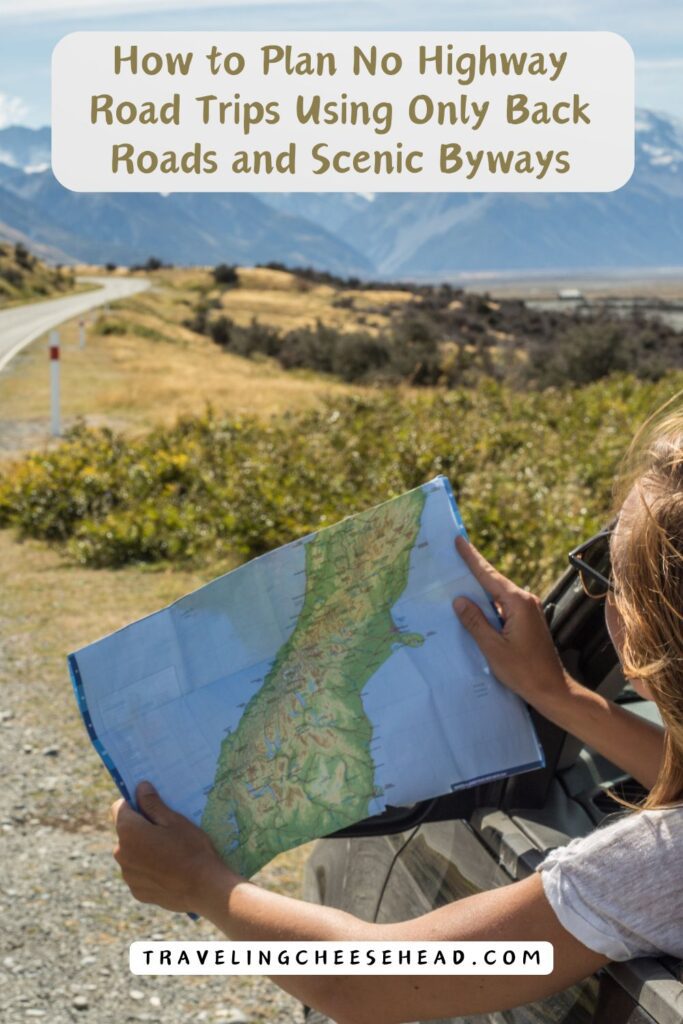
This guide walks you through how to plan no highway road trips step by step. You will set your big-picture goals, build a backroad route, pick great stops, stay safe and comfortable, and pack smart. Even if you have never planned a trip like this before, you can do it with a little prep and the right tools.
Start With Your Big Picture: Trip Goals, Time, and Budget
Before you open a map app, clarify what you really want from your no highway road trips. That choice shapes every other decision, from your daily miles to where you sleep.
Think of this as your trip’s “settings” menu. Get these right, and everything feels smoother.
Decide what kind of no highway road trips you want
Back road trips can look very different. A few common styles:
Weekend loop close to home
You leave on Saturday morning, come back Sunday night, and stay within a few hours of home. Perfect if you are testing this style of travel, trying a new scenic byway, or traveling with kids or pets.
Slow cross-state trip
You move across one or two states over several days. You might follow a river, a mountain range, or a string of small towns. Your goal could be simple: “Follow the coast” or “cross the mountains without touching the interstate.”
Multi-day cross-country back-road adventure
You cross a big chunk of the country on two-lane roads. This can feel like stepping into an old travel book. It takes more planning, more time, and more patience, but the payoff in memories is huge.
Once you pick the style, choose a main theme, such as:
- Coastal views
- Mountain passes and overlooks
- Farm towns and backcountry roads
- Historic sites and old highways
- Food stops and classic diners
- National or state parks
A clear theme makes planning easier. If your theme is “mountain views and small towns,” you can search for scenic byways through the mountains and mid-size towns for overnights. If your theme is “roadside diners and old highways,” you can follow older routes and focus on towns with classic main streets.
Your theme is your filter. If a road or stop does not fit, you can skip it without guilt.
Match your route distance to your real-time and energy
Back roads are slower than highways, which is part of their charm. You see more, but only if you are not rushing to cover too many miles.
A simple guideline:
- Plan on an average of 35 to 45 miles per hour on back roads
- Aim for 150 to 250 miles per day for relaxed travel
That range gives you time to stop, stretch, eat, and explore. If you know you like lingering, stay closer to 150 miles. If you are happy with longer drives and fewer big stops, 250 miles can work.
Adjust for your situation:
- Shorter days if you have young kids, pets, or a driver who tires easily
- More time in summer when you have long daylight
- Shorter distances in winter when it gets dark early or roads may be slick
- Extra buffer if you are driving alone and want longer breaks
Less distance often means more fun. You remember the old cafe and the river walk, not just the number on the odometer.
Set a simple budget for fuel, food, and stays in small towns
You do not need a fancy spreadsheet, just a clear daily target. Think in a few simple buckets:
- Gas
- Meals and snacks
- Lodging or camping
- Entrance fees (parks, museums, scenic sites)
- Fun money for local shops, bakeries, or surprise activities
Small town motels, cabins, and campgrounds can be cheaper than city hotels, but fuel might cost more in remote areas. A rough daily budget could look like:
- $40 to $70 for gas (depends on miles and your car)
- $30 to $60 for food (more if you like sit-down meals)
- $50 to $150 for lodging or camping
Pick a daily total that fits your comfort level. Use it to guide choices like “camp more nights” or “stay in a motel in the bigger town instead of a resort area.”
How to Plan a Route Using Only Back Roads and Scenic Byways
Now the fun part: turning that big picture into a real route. You will use regular map apps, plus a few extra tools, to build a trip that avoids highways but still makes sense.
Use map apps to avoid highways and find slower roads
Most mapping apps let you avoid highways. The exact buttons change over time, but the process stays simple:
- Enter your start and end points.
- Open route options or settings.
- Turn on “Avoid highways” and, if you want, “Avoid tolls.”
You will usually see a slower but more direct line of smaller roads. To fine-tune it, try this:
- Add waypoints in towns you want to pass through, which helps the app choose the kind of roads you like.
- Drag the route (in apps that allow it) to pull it onto a nearby road that looks more scenic.
- Save or download the route offline so you are not stuck without directions when cell service drops.
For more scenic ideas and pre-built routes, a planner like MyScenicDrives can help you find slower roads with interesting stops, not just the fastest path.
You do not have to get it perfect. Think of this as your draft route, which you will keep improving.
Layer in official scenic byways, national routes, and local drives
Now you can upgrade that basic route with known scenic roads. These are the stretches that turn a good trip into a great one.
Helpful places to look:
- The National Scenic Byway Foundation has state byway maps with All-American Roads, national and state byways, and more at scenic.org.
- The Federal Highway Administration lists America’s Byways with descriptions and photos at fhwa.dot.gov/byways/byways.
- You can browse over 800 scenic roads, from short loops to long routes, at America’s Scenic Byways.
Search terms that help:
- “Scenic byway near me”
- “State scenic drives”
- “Heritage highway” plus your state
- Names of famous routes, like the Blue Ridge Parkway or the Pacific Coast routes
You can also find inspiration from travelers who focus on back roads. For example, Backroad Planet has a guide to national scenic byways at backroadplanet.com/national-scenic-byways, which can spark ideas for your own path.
Once you have a list of scenic segments, plug them into your map app and connect them with quiet county roads. Your day might be three or four short byways linked together, rather than one long highway stretch.

Break the drive into relaxed daily segments and anchor towns
Next, split your route into days that feel comfortable, not punishing.
A simple way:
- Look for anchor towns every 2 to 4 hours of drive time.
- Use those anchors for fuel, food, and lodging.
- Fill the spaces between anchors with small stops and scenic segments.
Anchor towns are often mid-sized places. They have more options, but still sit near the back roads you want, not only on major highways. Between two anchors, you might:
- Drive a scenic byway
- Stop at a lookout or short trail
- Visit a small town bakery or diner
- Take a quick loop through a state park
Repeat that pattern day after day, and the whole trip feels balanced.
Double-check road quality, seasons, and closures before you go
Not all back roads are friendly in every season. Before you fix your plan, spend some time double-checking:
- Use satellite view to see if roads are paved or gravel.
- Use street view where available to check lane width, shoulders, and curves.
- Look up seasonal closures for mountain passes or park roads.
- Check ferry schedules if your route uses water crossings.
Sites that focus on scenic routes often share notes on road conditions. For example, the guide to the best back roads by state at Take Back Roads gives a feel for distance and road type on some classic drives.
If a road looks too narrow or rough for your comfort, reroute now rather than mid-trip. When in doubt, call a local visitor center, tourism office, or ranger station and ask about current conditions.
Plan for offline navigation so you are never stuck without a map
Back roads often mean spotty service. Plan as if your phone will lose signal at some point, because it probably will.
Good habits:
- Download offline maps for all states or regions you will cross.
- Save pins for fuel stops, campgrounds, motels, grocery stores, and key viewpoints.
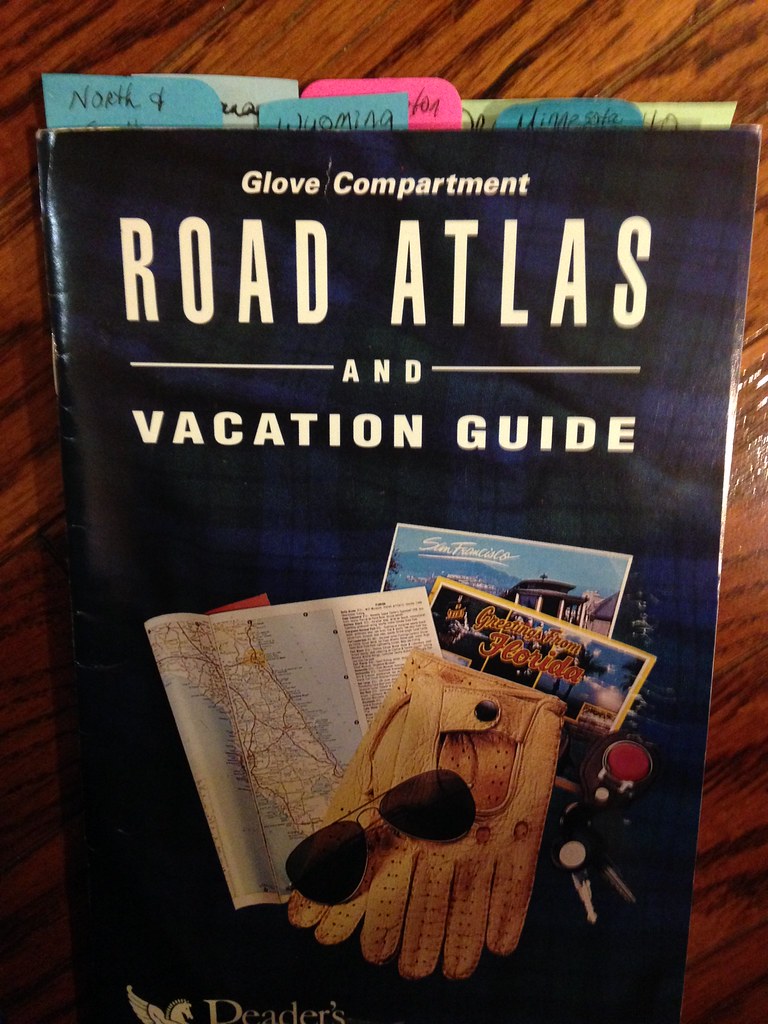
- Keep a paper road atlas or printed directions as a backup.
- Pack a car charger and a small power bank so your phone does not die mid-route.
If you like a visual overview, you can also check scenic route-focused map sets like those at Overlook Maps, which partner with byway groups to show many designated routes in one place.
Choose the Best Stops: Small Towns, Scenic Pullouts, and Hidden Gems
No highway road trips are not just about driving slowly. It is about stopping often and actually stepping into the places you pass.
Mix planned highlights with room for surprise stops
You do not need to schedule every minute. A good rhythm is:
- Pick two or three must-see stops each day.
- Leave extra space for surprises.
Planned highlights could be:
- A state park with a short hike
- A famous diner or cafe
- A small museum or historic site
- A lake or riverside picnic spot
Surprise stops are the things you find along the way, such as a farm stand, a yard sale, a roadside overlook, or a town festival you did not know about.
Think of your plan as a flexible outline, not a strict script. If you find a place you love, it is fine to stay longer and adjust your next overnight stop.

Find local food, coffee, and classic roadside attractions
One of the joys of skipping highways is escaping the same chains at every exit.
To find local spots, try searching your map for:
- “Family restaurant”
- “Old-fashioned diner”
- “Bakery” or “donuts”
- “Farm to table”
- “Coffee roastery”
Scroll around small town centers rather than only checking near major junctions. Often, the best places are a few minutes off your main road, but still nowhere near an interstate.
Locals in diners and coffee shops are also great sources for road info. Ask simple questions like “Any good views nearby?” or “Which road is prettier if I am heading north?” You may get better tips than any guidebook.

Look for parks, trails, and water access for movement breaks
Long hours in the car are easier when you give your body frequent breaks. Aim to stop for at least a short walk every 60 to 90 minutes of driving.
Search your route for:
- City or town parks
- Trailheads
- State or regional parks
- Lakes, rivers, and public access points
You do not need to be a serious hiker to enjoy these stops. Easy ideas:
- Walk a half-mile nature loop
- Stretch your legs on a river path
- Let kids play at a playground
- Skip rocks or sit on a dock
These small pauses keep you alert and make the day feel richer.
Pick overnights that feel safe, simple, and close to your route
When you pick where to sleep, try to stay near your back road route, not 30 minutes off on a fast highway.
Good options include:
- Small town motels
- Bed and breakfasts
- Simple cabins
- Public or private campgrounds
Check reviews for:
- Cleanliness
- Noise at night
- Staff helpfulness
- Comments about the area feeling safe
If your trip is longer, it is smart to book the first one or two nights in advance. After that, you will know your real pace and can decide whether to book as you go or stay flexible.

Stay Safe and Comfortable on Remote Back Roads
Back roads are usually calm and low stress, but they do come with a few extra things to pay attention to, such as fewer gas stations, tighter curves, and more wildlife.
You do not need to be scared on your no highway road trips, just prepared.
Prep your car for slower roads, hills, and extra miles
A healthy car makes any road trip easier, but it matters even more when services are spread out.
Before you leave, check:
- Tires, including tread and pressure
- Brakes
- Fluids (oil, coolant, washer fluid)
- Wipers and all lights
- Spare tire, jack, and lug wrench
- Jumper cables
- Tire gauge and small air pump, if you have one
- Flashlight or headlamp
- Bottled water and non-perishable snacks
- Small first aid kit
Remember, low-speed roads can still be rough. Potholes, gravel patches, and narrow shoulders are all easier to handle with a car that is in good shape.
Plan fuel, restrooms, and food so you are not far from town
On a highway, gas and food show up every few miles. On back roads, not always.
Smart habits:
- Mark gas stations along your route and stop before you are desperate.
- In remote areas, keep the tank above half when you can.
- Pack a cooler with drinks, simple snacks, and maybe sandwich basics.
- Toss in wet wipes and a roll of toilet paper in case restrooms are closed or rough.
Some small town stations close early or keep shorter hours in off off-season. If you see a good stop late in the day, top off even if you are not empty yet.
Drive smart on curves, wildlife areas, and in bad weather
Good road manners matter a lot on back roads.
Basic tips:
- Slow down before curves, not in the middle.
- Watch for deer and farm animals, especially at dawn and dusk.
- Use high beams on dark rural roads when there is no one coming, then dim them early for oncoming cars.
- Leave extra space between you and the car ahead of you.
If you hit heavy rain, fog, ice, or snow on unfamiliar roads, it is fine to pause your plans. Pull into a safe turnout, lot, or town and wait it out. Arriving late is better than arriving shaken.
If you feel tired, switch drivers if you can or stop for a proper rest. A ten-minute walk can help, but real sleep is better.

Share your plan and stay reachable even with low signal
Let someone at home know your rough plan. It is a simple safety step that feels old-fashioned in a good way.
Before you go:
- Share your general route and nightly anchor towns.
- Tell them when you expect to check in each day.
- Save numbers for roadside assistance, local non-emergency police, and park offices.
On the road:
- Use text check-ins when service pops up.
- Share your location for part of the trip if you are comfortable with that.
- Notice mile markers or landmarks if you need to explain where you are.
Even with a low signal, that basic plan means someone knows where to start if something goes wrong.
Pack Smart for a Relaxed, Screen-Light Back Road Adventure
You do not need to fill the car to the roof. Focus on comfort, safety, and a few things that make screen-free time more fun.
Essential gear for any no highway road trips
Think of these as your must-haves:
- Documents: driver’s license, insurance, registration
- Navigation: paper maps or a road atlas, phone with offline maps
- Power: car charger, power bank
- Water and snacks: reusable bottles, basic snacks for delays
- Tools and safety: tire kit, jumper cables, flashlight, first aid kit
- Clothing layers: light jacket, hat, and anything you need for changing weather
Each group covers a simple need: know where you are, stay fueled, and handle small problems without panic.

Comfort items that make long, slow days more fun
A few small things can make the car feel much nicer:
- Travel pillows and a light blanket
- Sunglasses and a brimmed hat
- A small trash bag to keep clutter under control
- Reusable grocery bags for snacks, fresh produce, or random finds
- A cooler for drinks and simple food
For analog fun and low screen time:
- A road trip journal and pen
- Printed playlists or downloaded music and podcasts
- A book of car games or a short list on your phone
- Simple art supplies for kids, like colored pencils and a notebook
Little comforts keep spirits high on longer days, especially when you are far from home.
Tech and tools to capture the journey without staring at screens
You do not have to document every mile of your no highway road trips, but you will probably want to remember the best parts.
Simple habits:
- Use your phone or a small camera for quick photos, then put it away.
- Keep a tiny notebook handy to jot down town names, viewpoints, and funny signs.
- At night, mark your day’s path on a paper map or save pins for favorite stops.
These notes help if you want to repeat the route, share it with friends, or write up a guide later. They also pull you back into the moment instead of into endless scrolling.
Final Thoughts on Your First No Highway Road Trips Start Small
No highway road trips are not about doing more. It is about doing less in a way that feels richer. You trade speed for scenery, stress for curiosity, and strict schedules for loose plans.
The steps are simple. Set clear goals, time, and budget. Build a route that uses back roads and scenic byways instead of interstates. Choose a handful of good stops each day. Prep your car, your safety basics, and some comfort gear. Leave space for surprise towns, random overlooks, and roadside pie.
You do not have to cross the country to start. Pick one weekend, choose a scenic byway from a site like America’s Scenic Byways, and plan a small loop near home. Treat your plan as a friendly guide, not a rulebook.
The road will meet you where you are. All you have to do is choose the slower way.


