We may earn money or products from the companies mentioned in this post. This helps support what we do and in no way costs you a thing.
There are some places you plan months in advance to visit, researching every detail and dreaming about what you’ll see. And then there are places like Hillwood Estate, Museum & Gardens—where you walk in not knowing what to expect and walk out feeling genuinely transformed.
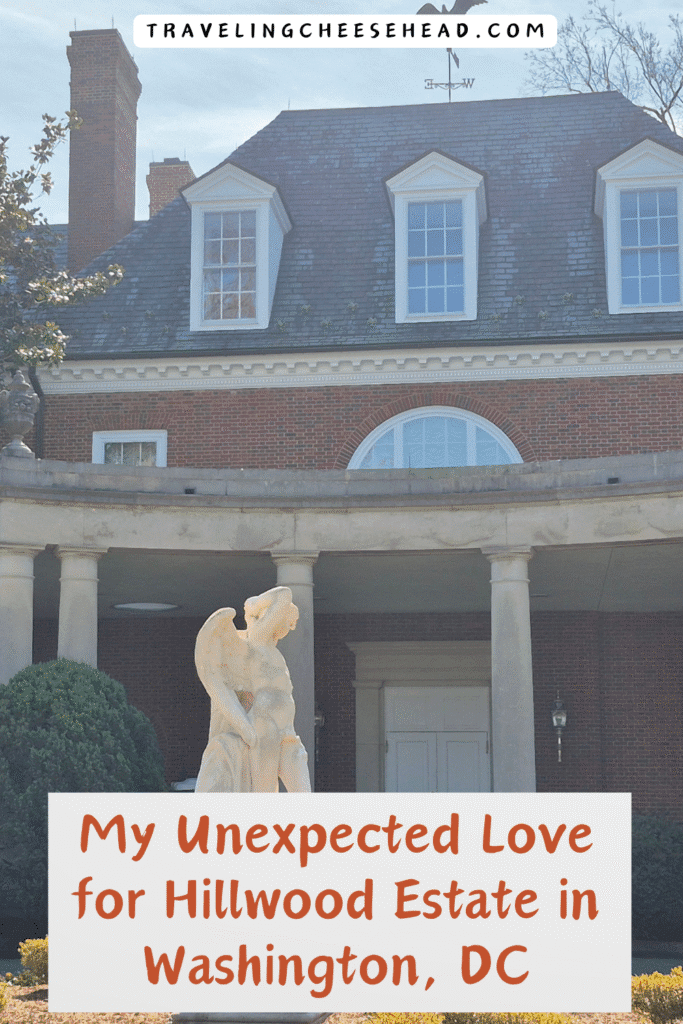
I’ll admit it. I didn’t know much about Hillwood before our visit. It wasn’t even on my radar. Tucked away in a quiet area of Washington, DC, it’s not one of the city’s most well-known attractions—but it absolutely should be. Because once you step through the gates, you step into the extraordinary life of Marjorie Merriweather Post, a woman who shattered expectations and left a legacy of beauty, innovation, and generosity.
A Childhood of Unusual Influence
Born in 1887, Marjorie Merriweather Post was the only child of C.W. Post, founder of the Postum Cereal Company (which later became General Foods). As a child, she wasn’t left on the sidelines—she shadowed her father at board meetings and soaked up business strategies the way most kids absorb fairy tales. Her upbringing wasn’t just privileged—it was strategically educational, laying the foundation for her sharp business acumen.
After her father’s death when she was only 27, Marjorie inherited not only a vast fortune but also the responsibility of running the family business. And run it she did—growing General Foods into one of the largest food companies in the country.
She had a knack for understanding what the American household needed, and thanks to her, frozen vegetables became a kitchen staple. It might not sound revolutionary today, but at the time, it helped transform how families shopped, cooked, and ate.
A Collector, Philanthropist, and World Traveler
Marjorie Merriweather Post’s life wasn’t limited to boardrooms. She was a woman of the world, a passionate collector of Russian Imperial and French decorative art, a philanthropist, and a lover of the sea.
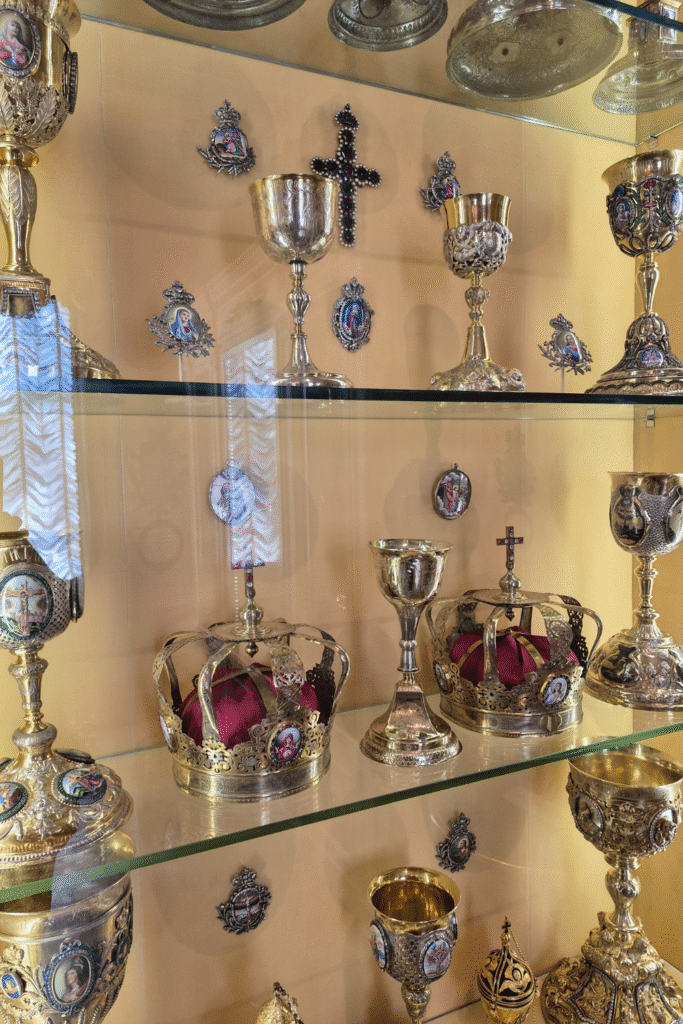
One of her most fascinating chapters came during her marriage to Joseph E. Davies, who served as the U.S. Ambassador to the Soviet Union during the 1930s. During their time in Moscow, Marjorie recognized the importance of preserving historical pieces being sold off by the post-revolution Soviet government.
Her collection of Russian religious icons, Fabergé eggs, porcelain, and imperial artifacts isn’t just breathtaking—it’s historically significant. Some experts believe she saved these cultural treasures from being lost forever.
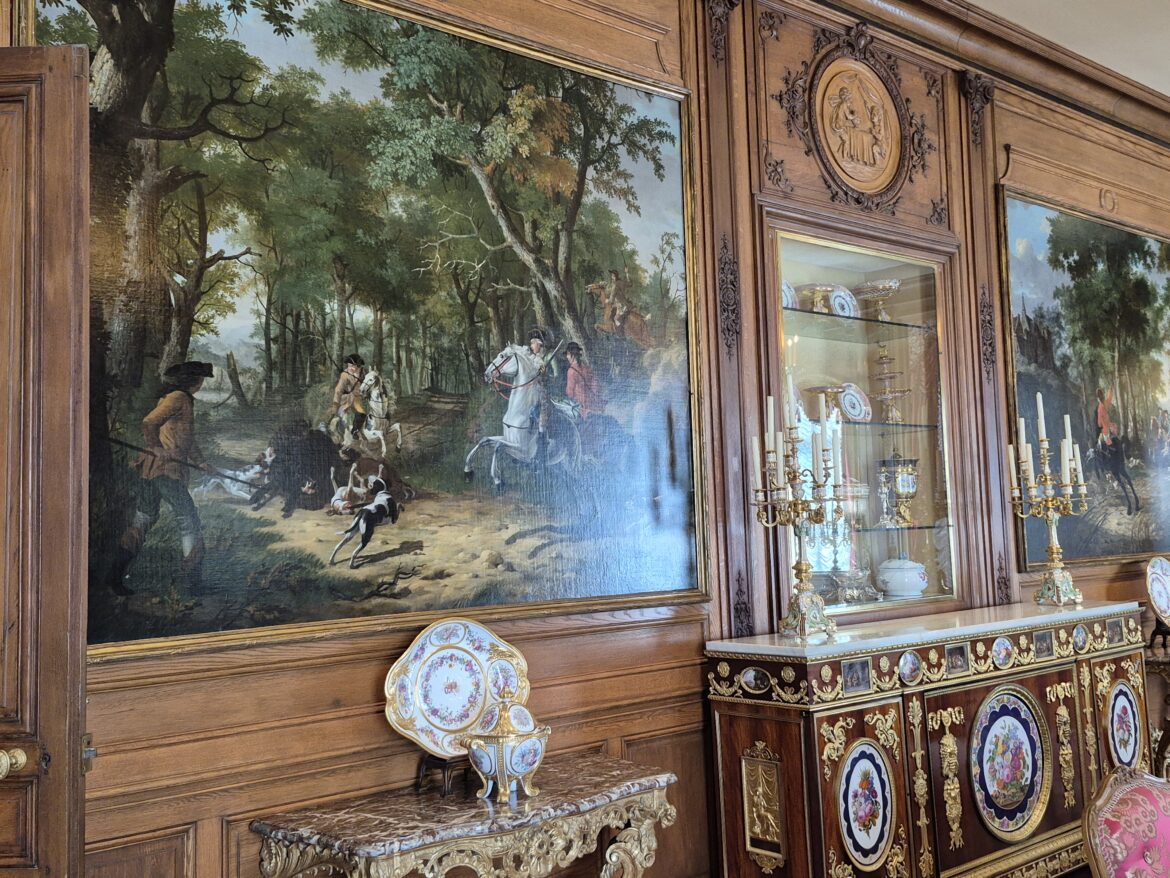
Her love of French decorative arts is just as prominent. Lavish tapestries, gilded furniture, and intricate porcelain fill the rooms of Hillwood, creating an atmosphere that’s both regal and remarkably personal. Each item has a story, and each room feels like a window into a woman who understood the importance of art as legacy.
Gardens, Glamour, and Generosity
Although the gardens were dormant during our visit (a return trip in spring is a must!), they’re known for their stunning seasonal beauty, from rose gardens to Japanese-style retreats. But it’s not just about aesthetics. Hillwood is a testament to Post’s generosity and desire to share beauty with the public. She opened her estate so that others could learn, enjoy, and be inspired.
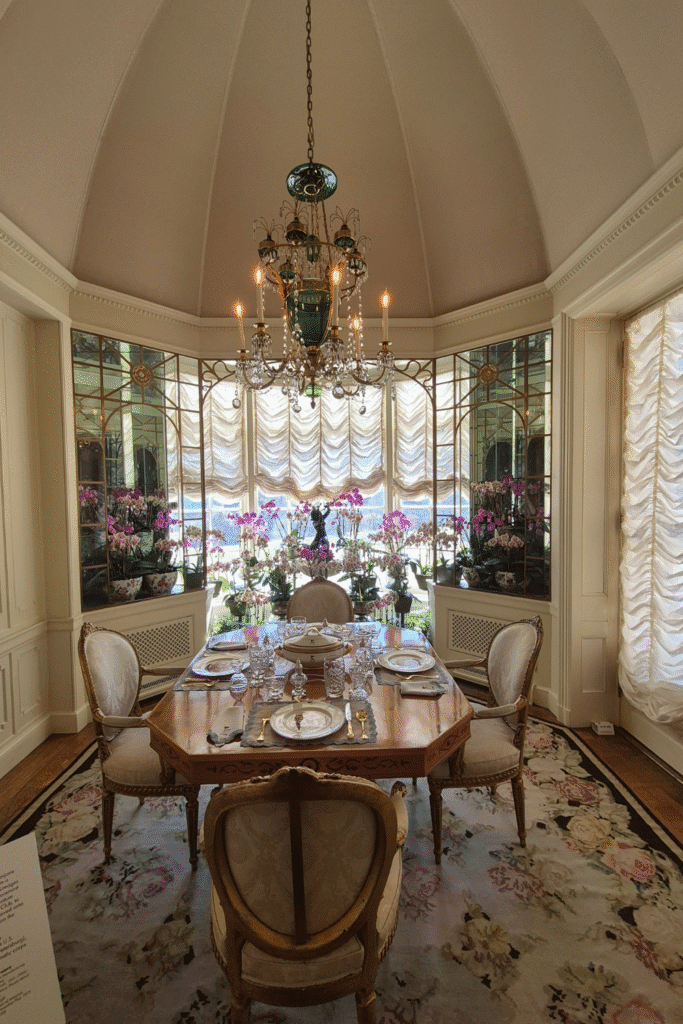
Inside the home, we were guided through a treasure trove of china and dining settings, including entire rooms dedicated to her extensive collection. Marjorie believed in the power of hospitality, and her love of entertaining was legendary. It’s no surprise—this was a woman who traveled the world on her yacht, the Sea Cloud, which at one point was the largest privately-owned yacht in the world.
Pro Tip: Make sure to check the schedule for garden tours, temporary exhibits, and tea service. This estate isn’t just a place to see—it’s a place to savor.
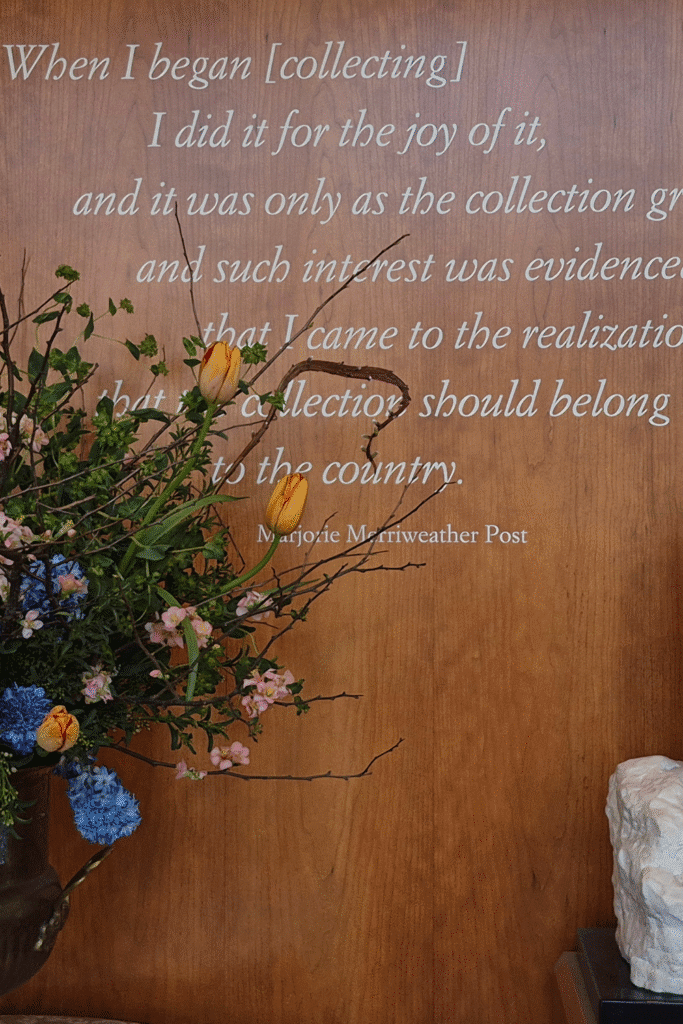
More Than a Museum
Hillwood isn’t just a museum—it’s a living tribute to a woman who defied convention. Marjorie Merriweather Post married four times, navigated high society, built a business empire, and still found time to champion charitable causes, support the arts, and host political and cultural elites in style.
As someone who hadn’t even Googled the place beforehand, I left with a new personal hero. We could all learn something from Marjorie’s drive, taste, and generosity. She saw beauty not just in objects but in creating experiences that could uplift and inspire.
If you find yourself in Washington, DC, carve out time for Hillwood Estate. It’s a little off the beaten path—and entirely worth it. A quiet gem full of big stories.
Whether you’re an art lover, history buff, or just someone looking to be surprised, Hillwood delivers.

Frequently Asked Questions About Hillwood Estate
Where is Hillwood Estate located?
Hillwood Estate, Museum & Gardens is located at 4155 Linnean Avenue NW, Washington, DC 20008.
Is Hillwood accessible for visitors with disabilities?
Yes, the estate offers accessibility accommodations, including ramps, elevators, and accessible restrooms. It’s always a good idea to call ahead with specific needs.
Do I need to buy tickets in advance?
While walk-ins are allowed, booking in advance is encouraged—especially during peak seasons or for special events and tours.
What kind of collections are on display?
The estate features extensive collections of Russian Imperial art, including Fabergé eggs and religious icons, as well as French decorative arts, Sèvres porcelain, tapestries, and furnishings. There is also a stunning display of China and dining wares.
Are the gardens open year-round?
Yes, but the appearance of the gardens changes with the seasons. Spring and summer are particularly popular times to visit for the full garden experience.
Can you tour the mansion?
Yes! Docent-led tours are available and highly recommended for a deeper understanding of the collection and Marjorie’s life.
Is Hillwood Estate family-friendly?
Absolutely. While younger children may not appreciate every detail, older kids and teens interested in history, art, or design will find plenty to explore.
How long should I plan to spend there?
Most visitors spend between 2–3 hours exploring the mansion and gardens. If you plan to enjoy a guided tour, the café, or special exhibitions, consider setting aside 4 hours.
Is there a place to eat on-site?
Yes, the Hillwood Café offers light meals, snacks, and beverages, often inspired by the elegance of Marjorie’s entertaining style.