We may earn money or products from the companies mentioned in this post. This helps support what we do and in no way costs you a thing.
Bravery has a way of lighting a path, even in the darkest times. On the Underground Railroad, women stepped forward with quiet grit and bold action, turning homes, networks, and quick thinking into lifelines.

Here we meet three standouts. Harriet Tubman, a fearless conductor, led people to freedom again and again, then returned to guide more. Catharine Coffin organized clothing, shelter, and safe routes in a key hub city, keeping the network stocked and steady. Harriet Forten Purvis rallied Philadelphia’s antislavery community, raised funds, and opened doors that others could follow.
Each woman played a different role, all aimed at the same goal: safe passage north. They scouted routes, hid families, sent messages, and held the line when danger pressed close. Their courage was practical, daily, and shared.
In this post, you’ll get a clear look at their stories, plus site guides to plan your own visit. Think museums, historic homes, and markers tied to Tubman, Coffin, and Purvis, with tips on hours, best seasons, and nearby stops. If you like history with a plan, you’re in the right place to learn more about the Women of the Underground Railroad.
Bring your curiosity, and maybe a good pair of walking shoes. We’ll connect the past to places you can stand in today, and leave you with a list you can actually use. Ready to trace the routes of the Women of the Underground Railroad that carried hope forward?

Harriet Tubman’s Daring Escapes and Leadership in the Underground Railroad
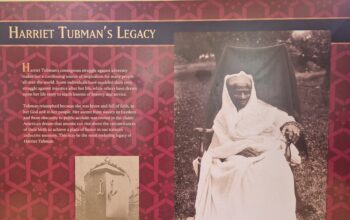
Here is the heart of the story: a woman who refused to quit. Harriet Tubman earned the name Moses for good reason; she left no one behind and trusted her wits, the night sky, and a tight web of allies.
Early Life and Path to Freedom
Tubman was born Araminta Ross on a plantation in Dorchester County, Maryland. As a child, she was hired out for hard labor and punished for small mistakes. A blow to the head from an overseer left her with lasting pain and sudden sleep spells, yet her focus only sharpened.
In 1849, facing the sale of her family, she chose freedom. She moved by night, followed the North Star, and watched for landmarks like rivers and pine stands. She used safe houses run by Black and white allies, resting in root cellars and back rooms until the path cleared. Once she reached Pennsylvania, she did not settle. She returned again and again, guiding others to safety.
Rescuing Families and Fighting in the Civil War
Tubman led about 13 missions and helped free around 70 people, including her brothers and their families. She planned trips around winter nights and paydays, when patrols were thin. She carried faith, codes, and sometimes a pistol, and she never lost a passenger.
During the Civil War, she served the Union as a nurse, scout, and spy. Her finest strike came in 1863 at the Combahee River Raid in South Carolina. Working with Colonel James Montgomery, she guided gunboats through rice rivers, signaled landings, and helped free more than 700 enslaved people in a single night. Courage, planning, and local knowledge won the day.

Visiting Harriet Tubman’s Historical Sites
Two sites bring her world close and make a great family trip.
- Harriet Tubman Home, Auburn, NY: Guided tours cover her later years and gardens around the Home for the Aged. Location, just south of US‑20. Admission is charged for tours; check current rates and hours. Most paths are accessible, with on-site parking.
- Harriet Tubman Underground Railroad State Park, Dorchester County, MD: The visitor center near Church Creek sits off MD‑335, about 20 minutes from Cambridge. Exhibits, a short film, and self-guided driving tours connect to nearby landscapes. Admission is free. The center is accessible with ramps, restrooms, and easy parking.
Tips for a smooth visit:
- Aim for spring or fall, when the air is cooler, and the marsh views are clear.
- Pair the Maryland park with Blackwater National Wildlife Refuge, and the dawn light is unforgettable.
- Bring water, sun protection, and time to read the exhibit labels. The details help you see how she moved at night and hid in plain sight.
You leave with more than facts; you leave with a map for courage today.

Catharine Coffin’s Quiet Heroism: The President of the Underground Railroad
Catharine Coffin worked with a kind of steady courage that feels like a heartbeat, constant and sure. She called herself a helper, not a hero, yet her kitchen table in Indiana saw plans that moved families from fear to freedom. If you like stories where ordinary rooms hold extraordinary decisions, this is one to linger over.
From Quaker Roots to Abolition Activism
Raised in a Quaker community in North Carolina, Catharine believed early that slavery was wrong. She married Levi Coffin, a fellow Friend who shared that conviction, and together they left the South in 1826 for Indiana. They settled in Newport (now Fountain City), where their brick home soon turned into a busy Underground Railroad station.
Slave catchers knocked often. Catharine met them with calm and clear eyes, answering questions while a kettle boiled and bread baked. She kept her voice even, her movements unhurried. The tension sat heavy in the doorway, but she never flinched. That composure, paired with careful planning, saved lives.

Running the Station and Saving Lives
Daily work looked simple from the outside, yet it ran like a small operation. Catharine cooked large meals, mended clothes, and set out disguises. She hid people in wagons with false bottoms, then sent them along country lanes at dusk. She coordinated with Black and white allies across Indiana and into Ohio, keeping routes supplied.
Scale matters here. Over the years, the Coffins helped more than 2,000 people. One winter evening, a large group arrived cold and hungry. Catharine split them into smaller parties, warmed them by turns, and staged their departures over two nights. No grand speeches, just swift chores, quiet signals, and a door that opened at the right moment.
You can trace much of this in Reminiscences (Levi’s memoir), which records Catharine’s steady hand. After the Civil War, she kept at relief work, organizing supplies and funds for freedpeople and supporting schools.
Exploring the Coffin Home and Nearby History
Start at the Levi and Catharine Coffin State Historic Site in Fountain City, Indiana. The house is furnished in period style, with guides who walk you through rooms tied to real escapes. Look for artifacts, hidden spaces, and stories pulled from letters and Reminiscences.
Make your visit count:
- Open seasonally. Check hours ahead, especially in winter.
- Group tours are available. Book in advance for a deeper dive.
- Pair it with the Whitewater Canal area for a broader slice of regional history, then connect threads across Indiana’s Underground Railroad network in nearby museums and markers.
It is a short stop that carries a long echo. You leave with faces, not just facts.

Harriet Forten Purvis: The Voice of Black Women’s Abolitionism
Harriet Forten Purvis stood her ground in Philadelphia, a sharp mind with a clear voice. She organized, spoke, and raised money, and she did it in rooms where women were often told to sit quietly. She did not.
Growing Up in a Prominent Free Black Family
Harriet was the daughter of James Forten, a wealthy sailmaker and respected abolitionist. The Fortens lived in comfort for a time, and they used that position to advocate for the end of slavery and the expansion of civil rights for Black Americans.

The Lasting Legacy of These Trailblazing Women
Tubman, Coffin, and Purvis left more than gripping stories. They built a template for action that future movements could pick up and run with. Street by street organizing, smart networks, mutual aid, and moral clarity, it is all there. Their combined impact helped free thousands, through daring rescues, safe houses that moved people steadily north, and citywide organizing that raised money and protection when it counted.
How Their Work Shapes Today’s Fight for Justice
Their playbook still works. Think night missions turning into neighborhood watch teams and court support today. Tubman’s focus on planning, timing, and care echoes in community safety efforts and legal defense funds. Catharine Coffin’s steady logistics look a lot like modern mutual aid, food drives, and rapid response groups. Harriet Forten Purvis’s public voice and coalition-building foreshadow voter rights drives, protest training, and fundraising circles.
You can see the throughline in the Civil Rights Movement, from freedom rides to voter registration drives, then into present campaigns like Black Lives Matter that center safety, dignity, and joy. The tools shift, the values stay firm. Want a simple start? Read one book, join one effort, and share one story.
Try these low-lift ways to learn more:
- Books and audiobooks: Look for biographies of Tubman and the Coffins, as well as collections on Black women abolitionists. Use your library app for free holds.
- Educational apps: The NPS app, state park apps, and museum guides offer short audio clips you can play on the go.
- Podcast or short videos: Search museum feeds for quick context that fits into a commute.

Planning Your Historical Journey: Tips for All Sites
A little prep goes a long way. Spring and fall bring cooler air, lighter crowds, and better hiking weather. Pack layers, water, a hat, and comfy shoes for outdoor stops. Download audio guides before you lose signal in rural spots. Families can add junior ranger activities, scavenger sheets, or picnic time nearby.
Smart planning ideas:
- Pair Maryland’s Eastern Shore with Philadelphia and central Indiana for a multi-state route over four to six days.
- Use one home base per state to cut driving and enjoy local food.
- If travel is tough, try virtual tours, museum livestreams, and interactive maps on park and library sites. It still counts, and it still inspires.
Carry the theme that guided them all, courage paired with care. Then pass it on.
Final Thoughts on Women of the Underground Railroad
Courage runs like a strong thread through these stories, practical and steady. Tubman’s night work, Coffin’s calm logistics, and Purvis’s bold organizing add up to a clear lesson: care plus action moves people forward. Take that energy with you. Visit the homes, parks, and markers, walk the routes, and add your voice to preservation efforts in your town.
Pick a site from the guides, set a date, and bring someone new. Share what you learn, post a photo with context, and leave a review so the next traveler can plan with ease. Donations and memberships keep doors open, and small gifts stack up fast. If you have a favorite stop or tip, drop it in the comments. We learn more about the brave Women of the Underground Railroad together.
Hold on to the spirit of the Women of the Underground Railroad that carried so many to safety. As Harriet Tubman said, I never ran my train off the track, and I never lost a passenger.